allisles.com
Martinique
allisles.com
Martinique
Martinique: Complete Caribbean Travel Guide
Visa Free
Last updated:
Quick Facts
- Visa Required: No (visa free for most nationalities)
- Currency: Euro (EUR)
- Language: French and Martinican Creole
- Best Months: December through May
- Average Temperature: 27°C (81°F)
- Location: Lesser Antilles, France
- Nearest Airport: Martinique Aimé Césaire International Airport (FDF)
About Martinique
Martinique is a French overseas department located in the Lesser Antilles. This Caribbean island covers 1,128 square kilometers and has a population of 368,000 people. The Martinique overview reveals a destination shaped by French culture, African heritage, and island traditions. Visitors experience a unique blend of European sophistication and Caribbean warmth.
The island sits at coordinates 14.6415 degrees north and 61.0242 degrees west. Montserrat, another Caribbean island, lies just north of Martinique. Two main towns dominate the landscape: Fort-de-France serves as the capital, while Le Lamentin hosts the international airport. The terrain ranges from coastal beaches to mountainous interior regions. Mount Pelée, an active volcano, shapes the northern landscape dramatically.
French and Martinican Creole are the primary languages here. Most residents speak French in formal settings and Creole in daily life. The Euro is the official currency, reflecting the island's status as a French territory. This monetary system simplifies travel for European visitors. The timezone is America/Martinique, which is four hours behind Greenwich Mean Time.
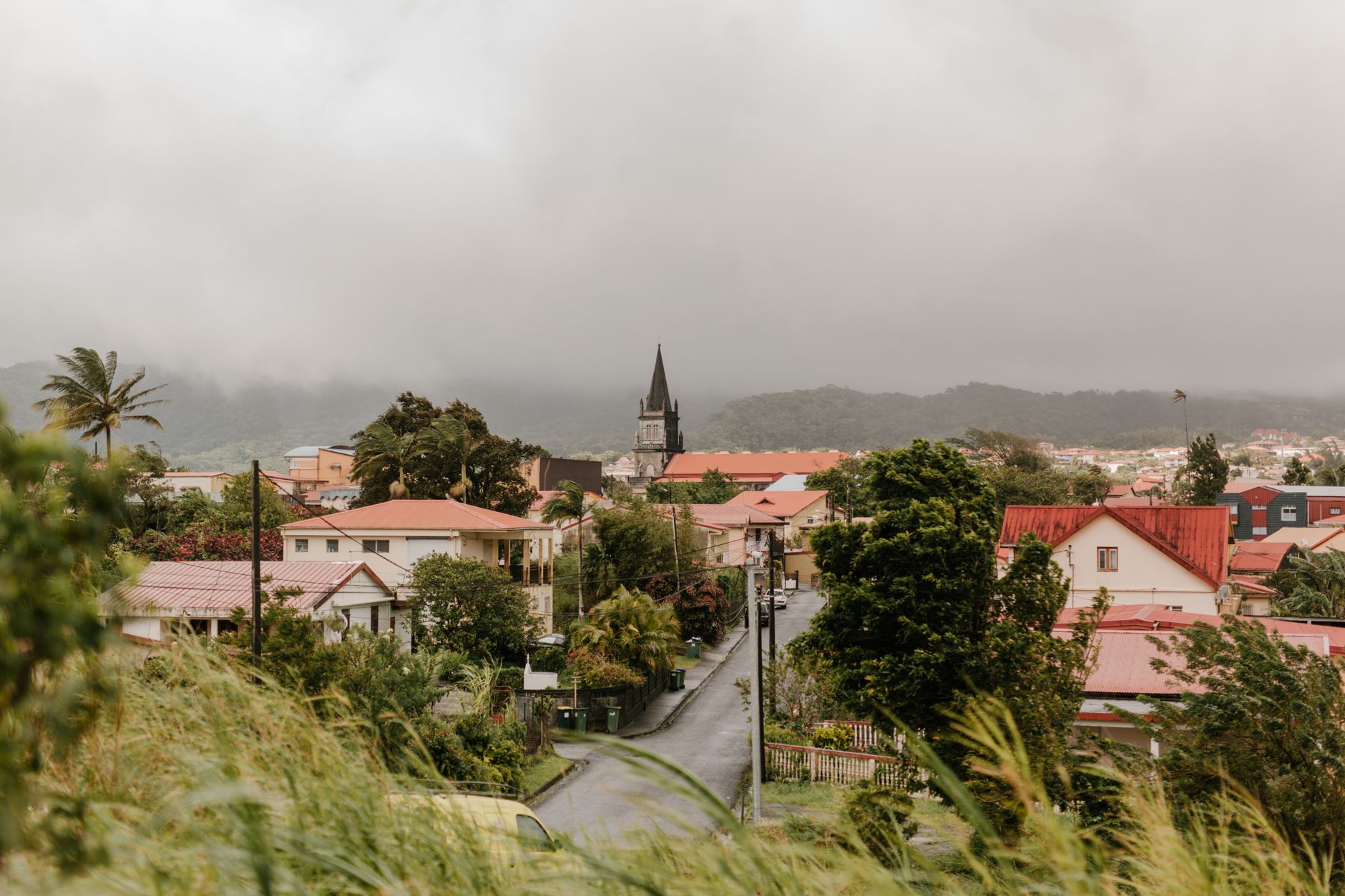
The island's history includes colonial sugar plantations, African slave labor, and eventual emancipation. These historical events created the rich cultural heritage visitors experience today. Local cuisine reflects African, French, and Caribbean influences. Traditional dishes include accras, boudin creole, and fresh seafood preparations. Music and dance traditions remain central to Martinique's identity.
PRO TIP: Learn a few French phrases before arriving. While many tourism workers speak English, locals appreciate visitors who attempt French. Simple greetings and courtesies enhance your interactions throughout the island.
Why Visit Martinique
Best forall travelers seeking authentic Caribbean culture with European amenities
Martinique offers visitors an authentic Caribbean experience with first-world infrastructure. Unlike many island destinations, Martinique maintains excellent roads, reliable utilities, and modern healthcare facilities. The island balances natural beauty with practical travel conveniences. This combination appeals to travelers seeking adventure without sacrificing comfort.
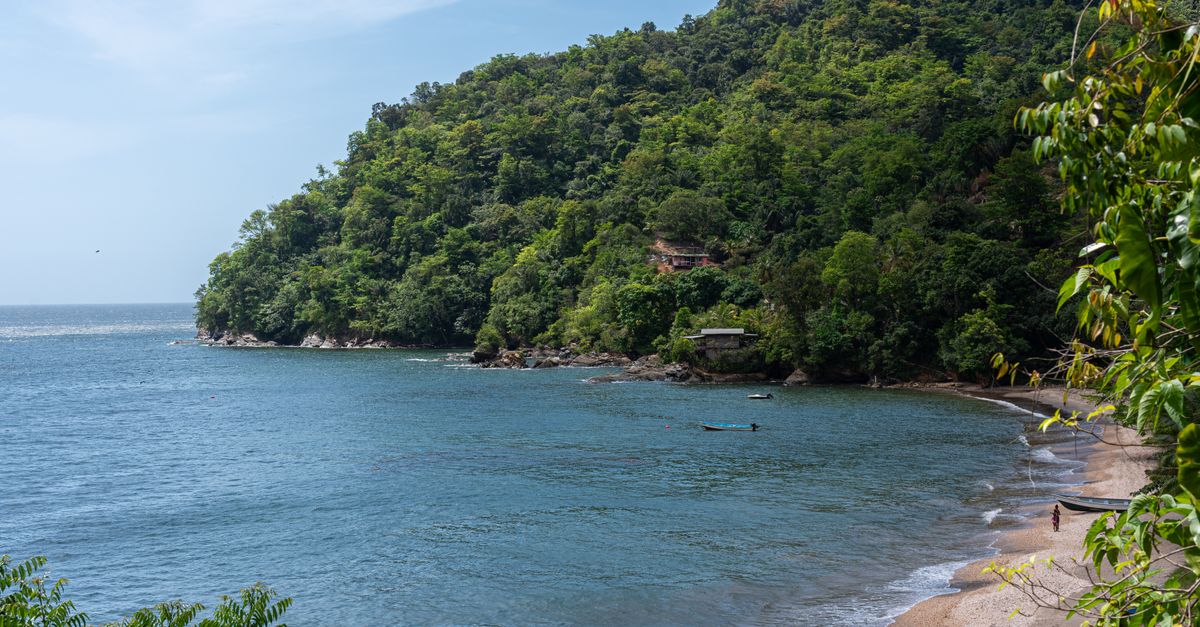
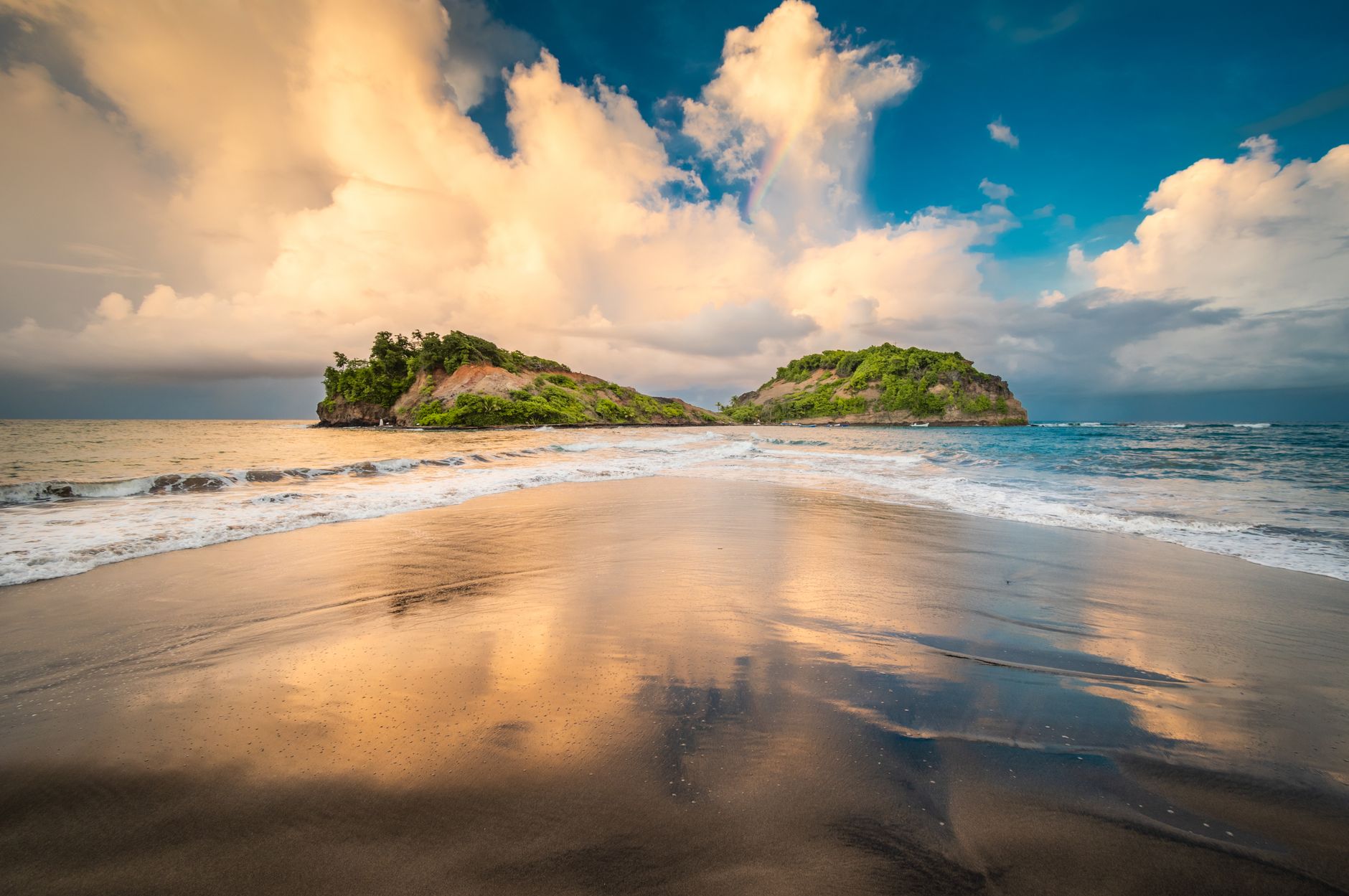
The beaches here rank among the Caribbean's finest. Les Salines Beach on the southern coast features pristine white sand and calm waters. Anse d'Arlets offers a more local atmosphere with fishing boats and seaside food-restaurants. Anse Noire's black volcanic sand creates a unique aesthetic. Each beach has distinct character and visitor experience.
Water activities dominate Martinique's appeal. Scuba diving sites showcase colorful coral reefs and tropical fish species. The island's numerous shipwrecks provide advanced diving opportunities. Snorkeling in shallow reefs requires minimal training. Kayaking through mangrove forests reveals wildlife and natural ecosystems. Sailing trips depart daily from coastal towns.
Hiking enthusiasts discover excellent trails throughout the island. Mount Pelée offers challenging summit hikes with panoramic views. The Pitons du Carbet mountain range features multiple accessible trails. Lower elevation walks through rainforests reveal exotic plants and bird species. Local guides enhance safety and educational value on longer hikes.
The island's culinary scene reflects French training and Caribbean ingredients. Fort-de-France restaurants serve innovative dishes with local seafood. Casual rum shops offer traditional creole meals at reasonable prices. Street food vendors sell fresh coconut water, tropical fruits, and fried snacks. The rum production heritage provides opportunities for distillery tours and tastings.
Cultural attractions showcase Martinique's complex history and artistic traditions. The Musée de la Pagerie documents the life of Empress Josephine. Schoelcher Library displays historical documents and beautiful architecture. Local art galleries feature contemporary and traditional Caribbean artwork. Regular festivals celebrate music, food, and cultural traditions throughout the year.
PRO TIP: Visit during the dry season (December through May) for the best weather. Rain showers occur year-round, but the dry season offers more consecutive sunny days for beach activities and outdoor adventures.
Martinique for Families
Best forfamilies with children seeking safebeach-focused vacations
Families find Martinique exceptionally welcoming and practical for multi-generational trips. The island's infrastructure supports family travel with modern amenities, reliable transportation, and quality healthcare. Many all-inclusive resorts cater specifically to families with children's programs and activities. Car rentals and taxi services make island exploration convenient without requiring extensive planning.
Beaches provide the foundation of family vacations here. Anse Mitan in Trois-Ilets offers calm, shallow waters perfect for young swimmers. Lifeguards patrol this popular family beach during peak hours. Nearby restaurants and shops make full-day beach visits practical. Parents can find shade under palm trees while children play safely in warm water.
Aquatic activities suit children of various ages and swimming abilities. Glass-bottom boat tours let non-swimmers observe coral reefs and fish. Snorkeling in shallow reefs introduces children to marine life safely. Several operators offer family-friendly diving courses for teenagers. Kayak rentals through mangrove forests appeal to older children seeking adventure.
Land-based activities balance beach time with cultural exploration. The Balata Botanical Garden showcases exotic plants, flowers, and trees. Walking paths accommodate families with younger children. Mount Pelée offers hiking trails suitable for various fitness levels. Well-maintained paths with local guides ensure safe, educational experiences.
Local restaurants accommodate families with diverse menus and casual atmospheres. Creole food introduces children to new flavors in authentic settings. Pizza and French cuisine provide familiar options when children need comfort foods. Beach shack restaurants offer informal dining with ocean views. Many establishments provide high chairs and children's menu options.
Evening activities keep families engaged beyond daylight hours. The Savane des Esclaves recreates historical village life with demonstrations and crafts. Rum distillery tours (for adults) often include family-friendly facilities. Local music performances and cultural shows entertain visitors of all ages. Fort-de-France's main square hosts evening markets and street performers regularly.
Martinique for Couples

Best forromantic getawayshoneymoonsand relationship celebrations
Couples discover numerous romantic experiences throughout Martinique. Sunset beach walks along Les Salines create memorable moments. Private dinner arrangements at beachfront restaurants offer intimate settings. All-inclusive resorts often provide couple's packages with spa treatments and special amenities. The island's natural beauty provides authentic backdrops for relationship bonding.
Luxury accommodations cater to couples seeking pampering and relaxation. High-end resorts offer oceanfront suites with private balconies. Spa treatments featuring tropical products provide therapeutic experiences. Many properties include romantic dinner options and sunset viewpoint areas. Honeymoon packages often feature champagne, flowers, and special room configurations.
Adventure activities appeal to active couples seeking shared experiences. Scuba diving courses allow couples to explore reefs together. Private sailing trips enable romantic ocean exploration. Hiking to mountain viewpoints rewards physical effort with panoramic vistas. Kayaking through mangroves creates intimate, quiet moments on water.
Culinary experiences strengthen romantic connections through shared dining. French-trained chefs prepare innovative Caribbean dishes in upscale restaurants. Wine selections from European vineyards enhance meals. Casual rum shops offer authentic cultural dining experiences. Cooking classes teach couples to prepare traditional creole meals together.
Relaxation activities combat travel fatigue and stress. Beach lounging under umbrellas provides peaceful downtime. Spa treatments for couples include massage, facials, and wellness packages. Quiet beachside bars offer tropical drinks and ocean views. Water-based activities like paddleboarding combine exercise with connection time.
PRO TIP: Book beachfront dinner reservations weeks in advance during the dry season. Popular restaurants fill quickly, and advance planning ensures your preferred time and romantic ambiance.
Martinique for Solo Travelers
Best forindependent travelersbackpackersand cultural explorers
Solo travelers find Martinique safe, navigable, and culturally rich. The island welcomes independent visitors with an excellent transportation network. Small group tours connect solo travelers with other visitors and local guides. Budget accommodations range from hostels in Fort-de-France to guesthouses in smaller towns. The local population is generally friendly and accustomed to international visitors.
Hostels and budget hotels provide affordable bases for exploration. Fort-de-France's central location simplifies day trips to various regions. Guesthouses offer personal touches and local knowledge from owners. Room configurations for solo travelers reduce costs significantly. Many accommodations arrange activities and airport transfers for guests.
Public transportation enables independent exploration without car rentals. Buses connect major towns and beaches affordably. Taxis serve as reliable backup transportation for longer distances. Walking tours of Fort-de-France reveal architecture, museums, and local culture. Self-guided exploration appeals to travelers on tight schedules or budgets.
Group activities connect solo travelers with peers and locals. Organized hiking groups explore mountain trails with experienced guides. Diving shops offer group lessons and guided reef explorations. Beach volleyball games welcome newcomers regularly. Local bars and restaurants create natural meeting points for solo adventurers.
Cultural activities satisfy intellectual curiosity without requiring companions. Museum visits provide historical context and educational value. Rum distillery tours teach Caribbean history and production methods. Markets showcase local produce, crafts, and daily island life. Street performances and festivals occur throughout the year. Dance clubs and bars offer evening entertainment and socializing opportunities.
Best Time To Visit Martinique

Best forall travelers planning trips during optimal weather windows
December through May represents the ideal visiting period for Martinique. These months feature the driest weather patterns and most consistent sunshine. Average temperatures stay near 27°C, making outdoor activities comfortable. Humidity levels remain lower than summer months. Most visitors plan vacations during this dry season.
December and January attract holiday travelers seeking warm escapes. High season pricing applies during these months. Hotels and restaurants operate at full capacity. Beaches experience significant visitor traffic. New Year's celebrations bring festive energy to towns and resorts.
February and March continue dry season conditions with slightly lower prices than December/January. Carnival celebrations occur in February, bringing music, parades, and cultural events. These months attract families after school breaks and winter holiday trips. Tourist facilities remain fully operational.
April and May offer excellent visiting conditions with gradually declining prices. Fewer tourists mean shorter restaurant waits and easier beach access. Weather remains predominantly dry with occasional afternoon showers. These months appeal to budget-conscious travelers seeking shoulder season advantages. Hurricane season approaching in June causes some travelers to avoid later months.
June through November represents the rainy season with higher hurricane risk. Lower prices attract budget travelers willing to accept weather variability. Daily showers cool the island and create lush vegetation. Humidity increases significantly during these months. Serious hurricanes occur rarely, but tropical storms bring heavy rainfall and strong winds occasionally.
Getting To Martinique
Martinique Aimé Césaire International Airport (FDF) serves as the primary entry point. Most international flights connect through Fort-de-France, the capital city. Direct flights operate from major North American and European airports seasonally. Regional carriers connect Martinique to neighboring Caribbean islands. Ground transportation from the airport to hotels takes 30 to 60 minutes depending on destination.
Visa requirements are minimal for most nationalities. As a French overseas department, Martinique follows Schengen-adjacent entry rules for many visitors. Most tourists can enter without advance visa applications. Valid passports valid for six months beyond travel dates are essential. Check specific requirements for your nationality before booking flights.
Car rentals provide maximum independence for island exploration. International driver's licenses are required for rental. Roads are well-maintained and clearly marked. Driving occurs on the right side of the road. Gasoline prices are higher than North America but comparable to Western Europe. Parking in Fort-de-France can be challenging; consider taxis for city visits.
Taxis operate from the airport and major towns. Pre-arranged transportation through hotels reduces costs and simplifies arrivals. Regular taxi services charge fixed rates for common routes. Negotiating fares is customary but should occur before rides begin. Ride-sharing services operate in larger towns via smartphone apps.
Ferries connect Martinique to neighboring islands including Dominica and Saint Lucia. Ferry schedules vary seasonally. Advance booking is recommended for popular routes. Ferry travel offers economical alternatives to flying for regional exploration. Journey times range from 30 minutes to two hours depending on destinations.
PRO TIP: Arrange airport transfers through your hotel before arrival. This eliminates negotiating taxi fares while tired and ensuring transportation reliability for jet-lagged travelers.
Frequently Asked Questions
Is Martinique Safe for Tourists?
Martinique maintains strong safety standards with reliable police presence and modern infrastructure. Tourist areas experience minimal crime compared to many Caribbean destinations. Exercise standard travel precautions like avoiding isolated areas at night and securing valuables. Petty theft occurs occasionally in crowded markets and beaches, but violent crime targeting tourists is uncommon. The island's French administrative structure provides consistent security and reliable emergency services. Hotel staff can advise on safe neighborhoods and transportation methods.
What Is the Cost of Living for Tourists?
Martinique costs more than some Caribbean destinations due to French import standards and European pricing. Budget meals cost 10 to 15 EUR at casual restaurants. Upscale dining ranges from 30 to 80 EUR per person. All-inclusive resorts offer value compared to daily dining out. Beach activities and museum entries cost 5 to 15 EUR. Accommodations range from 50 EUR for budget guesthouses to 300+ EUR for luxury resorts. Shopping prices align with Western European standards generally.
Do I Need To Speak French?
French language skills are helpful but not essential for tourism. Tourism workers in hotels, restaurants, and attractions speak English frequently. Younger residents typically speak English more fluently than older generations. Learning basic French greetings and courtesies enhances interactions and shows respect. Translation apps on smartphones provide backup for language barriers. Creole is the daily language but learning it requires extended stays. Hiring local guides who speak English ensures clear communication during activities and tours.
What Should I Pack for Martinique?
Pack lightweight, breathable clothing for hot, humid weather year-round. Bring sun protection including high-SPF sunscreen, sunglasses, and wide-brimmed hats. Swimming attire and beach shoes are essential for water activities. Quick-dry clothing suits the tropical climate and frequent showers. Rain jackets or umbrellas prepare for afternoon showers during any season. Comfortable walking shoes handle volcanic terrain and city streets. Formal clothing is unnecessary except for upscale restaurant dinners. Insect repellent protects against mosquitoes, particularly during evening hours.
Can Budget Travelers Enjoy Martinique?
Budget travelers absolutely can enjoy Martinique with smart planning and flexibility. Guesthouses and small hotels offer excellent value compared to resorts. Eating at local rum shops and street vendors significantly reduces meal costs. Public beaches are free and provide full-day entertainment. Hiking and walking tours cost little to nothing. Group activities often include budget-friendly options. Traveling during shoulder season (April-May) reduces accommodation costs substantially. Cooking in guesthouse kitchens cuts food expenses further. The island rewards resourceful travelers with memorable experiences at reasonable prices.
Related Pages on Martinique
Islands Near Martinique