Last updated:
Martinique Food &Amp; Dining Overview
Martinique offers some of the Caribbean's most distinctive food dining experiences. This French overseas department blends African, French, and Caribbean influences into incredible Creole cuisine. You'll find everything from beachfront restaurants to bustling market stalls here. The island's location in the Lesser Antilles means fresh seafood arrives daily. Local chefs respect traditional recipes passed down through generations. European technique meets tropical ingredients in every dish. Visitors discover flavors they've never experienced before on this island. Food lovers return to Martinique year after year specifically for the meals.
The best months to visit for food experiences run from December through May. Weather stays warm and dry during this period. Restaurants operate at full capacity with fresh seasonal ingredients. Local markets overflow with produce and fresh fish. The island's culture celebrates food as central to community life. You'll see families gathering around tables everywhere you go. Street vendors prepare meals with pride and passion daily. Every meal tells a story about Martinique's unique history.
Local Food in Martinique You Must Try

Accras are fried fritters you'll find everywhere on Martinique. These small, golden balls contain salt cod or vegetables inside. Street vendors sell them fresh from the fryer in the mornings. They pair perfectly with a cold drink on hot days. The outside crisps up while the inside stays moist and flavorful. Locals enjoy them as snacks between meals frequently. First-time visitors often become instant fans of this dish.
Boudin Créole represents traditional Martinican blood sausage at its finest. Vendors prepare it with fresh herbs and bold spices. The texture stays smooth and rich when cooked properly. You'll taste hints of thyme, garlic, and hot peppers throughout. This dish appears at markets and casual restaurants island-wide. It works great as a breakfast item or snack anytime. The flavors reflect the island's African heritage strongly.
Colombo stands as Martinique's signature curry dish with deep roots. The word refers to both the spice blend and the finished meal. Cooks prepare colombo with meat, fish, or vegetables depending on availability. The spice mixture includes turmeric, coriander, cumin, and mustard seeds. Each family guards their colombo recipe like a treasure. You taste the warmth of the spices without overwhelming heat. This comfort food appears frequently on family dinner tables.
Calalou uses leafy greens cooked with okra, onions, and garlic. This nutritious dish appears as a side or main course option. The texture becomes creamy without any added dairy products. Fish often accompanies calalou at lunch and dinner meals. The flavor profile tastes earthy and deeply satisfying always. This dish represents traditional Caribbean cooking methods perfectly. Local grandmothers prepare calalou from memory without written recipes.
Lambi refers to conch prepared in various ways throughout Martinique. Chefs might stew it, grill it, or use it in salads. The meat requires proper preparation to become tender and flavorful. Citrus juice plays a key role in the cooking process. Fresh lambi tastes like the ocean itself in the best way. This ingredient shows the island's strong seafaring tradition clearly. Tourists should try lambi at least once during visits.
PRO TIP: Visit local markets early morning between 7am and 9am for the freshest ingredients and best selection of prepared foods. Vendors arrive before dawn to set up their best offerings.
Best Restaurants in Martinique
Chez Carole operates in Fort-de-France and serves exceptional Creole home cooking. The owner Carole prepares daily specials using market-fresh ingredients. You'll find classic dishes like colombo, fresh fish, and plantains here. The casual atmosphere welcomes families and solo travelers equally. Reservations work best on weekends when crowds gather. The restaurant closes on Sundays so plan accordingly. Locals consider this spot essential for authentic island food.
Le Ponton sits on the waterfront in Trois-Îlets with stunning bay views. The chef specializes in fresh seafood prepared simply and beautifully. Grilled fish, lobster, and shrimp appear on the daily menu. The restaurant sources ingredients from local boats each morning. The dining room opens to ocean breezes year-round. Service remains attentive and professional throughout your meal. This spot works perfectly for lunch or romantic dinners.
Raffia Café brings contemporary Caribbean cuisine to Martinique's food dining scene. The menu celebrates local ingredients with creative cooking techniques. You'll discover familiar flavors prepared in unexpected ways here. The atmosphere feels upscale yet welcoming to all visitors. The bar serves excellent rum-based cocktails expertly made. Dinner reservations are highly recommended especially during peak season. This restaurant represents modern Martinican cooking at its finest.
La Case Créole operates multiple locations across the island for convenience. Each location focuses on authentic family recipes and traditional dishes. The menu rarely changes because locals love the classics. Fresh breadfruit, yams, and local fish feature prominently. The portions are generous and prices remain reasonable. Staff members treat regular customers like family members. This chain delivers consistent quality at every location.
Fine Dining in Martinique

Martinique's fine dining scene has grown significantly in recent years. Chefs trained in France bring European techniques to Caribbean ingredients. These restaurants celebrate the island's culinary heritage with sophistication. Dinner reservations are absolutely essential at all high-end establishments. The menus change seasonally based on ingredient availability. Most fine dining restaurants are located in Trois-Îlets or Fort-de-France. Dress codes typically require smart casual or formal clothing.
Le Colibri combines French culinary excellence with Caribbean flavors beautifully. The chef creates tasting menus that tell stories about the island. Each course introduces new ingredients and unexpected flavor combinations. The wine list includes selections from France and around the world. The intimate dining room seats only thirty guests maximum. Reservations must be made weeks in advance during season. This restaurant earned recognition as one of the Caribbean's best.
Madiana Resort's restaurant offers sophisticated island dining in a luxury setting. The chef works with local fishermen to source daily specials. The menu balances traditional recipes with modern plating techniques. The oceanfront location provides stunning sunset views during dinner. Service remains impeccable from arrival through departure. The wine pairings enhance each course perfectly. This venue works beautifully for special celebrations.
PRO TIP: Call ahead to ask about special tasting menus or chef's recommendations at fine dining restaurants. Many chefs prepare exclusive dishes for diners willing to reserve in advance.
Budget Eating in Martinique
Budget eating in Martinique doesn't mean sacrificing quality or flavor. Local spots serve excellent meals for reasonable prices daily. Casual restaurants and food stalls offer the best value island-wide. Lunch typically costs less than dinner at the same establishment. Set menus (called formules) offer great value at many restaurants. You can eat well on Martinique without expensive fine dining.
Boulangeries throughout the island offer fresh bread, pastries, and sandwiches. These bakeries open early morning and stay busy all day. A fresh croissant and coffee costs very little. Sandwiches with local ingredients make excellent cheap lunches. The quality remains high despite the affordable pricing. Every town has at least one boulangerie serving locals and tourists. This is the perfect option for budget-conscious travelers.
Friteries specialize in fried food served quickly and cheaply. These casual spots sell accras, fried fish, and plantain chips. The food arrives hot and fresh within minutes of ordering. You eat standing up or take food to go easily. Friteries operate throughout the day from morning until evening. Quality varies by location so ask locals for recommendations. This is authentic island eating at its most casual.
Rotisseries prepare whole chickens and meat on rotating spits. The charred outside crisps beautifully while meat stays juicy inside. You order portions by weight or buy whole birds. Rice, plantains, and salads accompany most meals here. Rotisseries provide excellent value for groups or families. The informal atmosphere encourages quick, casual meals. This style of eating reflects daily Martinican food culture.
Street Food and Local Markets
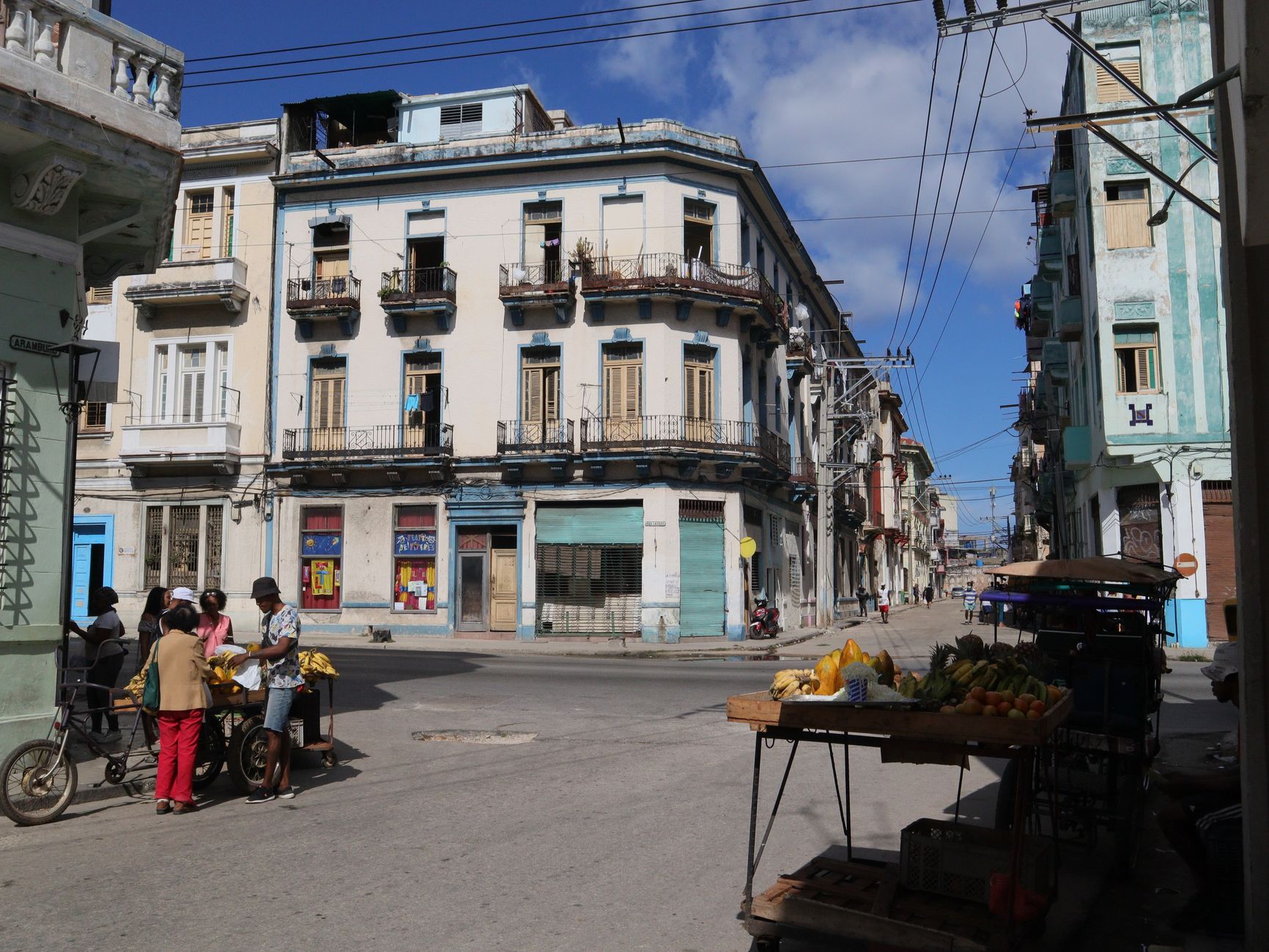
Street food represents the heart of Martinique's food dining culture truly. Vendors prepare meals with the same care as restaurant chefs. You'll find consistent quality at established food stalls everywhere. Markets open early and stay busy until midday. The energy and activity create an authentic island experience. Bring cash because most vendors don't accept cards. Arrive hungry because portions are generous and delicious.
Fort-de-France Market is the largest and most famous market on the island. Vendors fill the streets with colorful produce, fish, and prepared foods. The market operates Tuesday through Saturday mornings primarily. Arrive early for the best selection before items sell out. The atmosphere buzzes with energy and local conversation. Tourists and locals shop side by side here daily. You'll find ingredients from all over the island concentrated here.
Trois-Îlets Market serves the western side of the island consistently. This market feels smaller and less crowded than Fort-de-France. The quality of goods remains equally excellent and fresh always. Local farmers sell produce they grew in nearby fields. Fish arrives daily from boats docked nearby the market area. The atmosphere feels more relaxed and intimate here. This market gives visitors a genuine local experience.
Matoutou is a street food specialty you'll find at many vendors. This dish features land crabs cooked with rice and spices. The flavors are rich, complex, and deeply satisfying. Vendors prepare matoutou in large pots throughout the day. This traditional food appears most often during celebrations. The dish requires effort to eat but rewards that effort. Try this specialty at markets during your visit.
Fruit vendors sell mangoes, papayas, coconuts, and passion fruit seasonally. The tropical fruits taste sweeter than those found elsewhere. Vendors will cut fruit fresh for you to eat immediately. Ice and salt sometimes accompany the fruit for eating. The prices stay very low compared to North American costs. These fruits make perfect healthy snacks between meals. Try several varieties to experience the island's natural bounty.
PRO TIP: Carry small bills when visiting markets and street food vendors. Most small stands don't have change for large denominations and function on cash only.
Food Allergies and Dietary Needs
Martinique welcomes visitors with various dietary requirements and food allergies. Communication is key to ensuring safe, enjoyable meals always. French language skills help when discussing allergies at restaurants. Learning basic French phrases about allergies proves very valuable. Always inform restaurant staff before ordering any food items. High-end restaurants are more experienced handling special requests.
Vegetarian and Vegan Eating has become more accepted in recent years. Creole cuisine traditionally features meat, fish, and seafood heavily. However, vegetables, legumes, and fruits are abundant on the island. Plantains, yams, breadfruit, and rice form the basis of many dishes. Restaurants in Fort-de-France accommodate vegetarian diets more easily. Smaller towns offer fewer vegetarian options but still some choices. Always ask how dishes are prepared since some vegetables cook in fish stock.
Gluten Free Eating requires some planning on Martinique. French bread dominates the food culture so gluten is everywhere. Rice dishes and fresh fruit provide safe alternatives. Seafood prepared simply without breading works well for gluten-free diets. Fine dining restaurants understand celiac disease and accommodate requests. Casual spots may not understand gluten-free needs clearly. Bringing translation cards in French helps communicate dietary needs.
Shellfish and Fish Allergies require careful attention on this island. Seafood dominates the local cuisine throughout Martinique. Accras might contain fish despite not appearing in the name. Always ask specific questions about ingredients in every dish. High-end restaurants will answer questions thoroughly and honestly. Street vendors may not understand allergy concerns clearly. Consider eating at fine dining establishments if allergies are severe.
Nut Allergies need consideration since coconut appears in many dishes. Coconut milk, coconut shreds, and coconut oil feature in Creole cooking. Always ask if nuts appear in sauces or desserts. The kitchen can usually prepare dishes without nuts if requested. French restaurants with trained chefs handle nut allergies better. Always inform staff immediately about nut allergies before ordering.
Frequently Asked Questions

What Is the Most Popular Traditional Martinique Dish?
Colombo stands as Martinique's most iconic and beloved traditional dish. This spiced curry contains meat, fish, or vegetables cooked slowly. The spice blend includes turmeric, coriander, and other warm spices. Locals prepare colombo for family meals and celebrations regularly. Every family has their own special recipe passed down generations. The dish represents the island's cultural heritage perfectly. You can find colombo at nearly every restaurant and market stall.
Where Should I Eat Fresh Seafood on Martinique?
Le Ponton in Trois-Îlets specializes in fresh seafood with ocean views. The chef sources fish from local boats each morning. Casual waterfront spots also serve excellent fresh fish daily. Markets offer whole fish and prepared seafood options affordably. Ask locals which boats arrived that morning for best selection. Lunch provides better prices than dinner at seafood restaurants. The freshest seafood appears at casual spots, not fine dining.
Is It Safe To Eat Street Food in Martinique?
Street food in Martinique is generally safe and of high quality. Vendors prepare food quickly due to high turnover. Choose busy stalls where locals eat regularly for best results. Watch the vendor prepare your food to ensure cleanliness. Avoid food sitting unrefrigerated during hot afternoons. The island has strong food safety standards like France. Trust your instincts about vendor cleanliness and food handling. Most travelers enjoy street food without any problems whatsoever.
What Time Do Restaurants Open and Close on Martinique?
Lunch service typically runs from noon until 2 or 3pm. Dinner service begins around 7pm and runs until 10 or 11pm. Restaurants may close on Sundays or Mondays (varies by establishment). Many casual spots close between lunch and dinner service. Fine dining restaurants only open for dinner typically. Markets operate early morning hours from 6am until noon. Street vendors are most active during lunch hours midday. Always call ahead during holidays as hours may change.
How Much Should I Budget for Food and Dining on Martinique?
Budget travelers can eat well for twenty to thirty euros daily. Casual local restaurants cost fifteen to twenty-five euros per meal. Fine dining runs fifty to one hundred euros per person. Street food and markets cost five to ten euros per meal. Groceries cost slightly more than in mainland France. Eating where locals eat provides best value consistently. Special occasions warrant fine dining splurges for unique experiences. Overall, Martinique offers good value for food compared to mainland France.