
Last updated:
Martinique Visa Entry Overview
Planning a trip to Martinique involves understanding Martinique visa entry requirements before you book your flight. The good news? Most visitors do not need a visa to enter this stunning French Caribbean island. Martinique is a French overseas department, so it follows Schengen-adjacent entry rules for many nationalities.
Your citizenship determines whether you need travel documents beyond your passport. Citizens of European Union member states enjoy the easiest entry process. U.S., Canadian, Australian, and New Zealand citizens also enter visa-free. However, entry rules change based on your nationality and planned stay duration.
You must carry a valid passport when entering Martinique. Your passport should remain valid for at least six months beyond your stay. Authorities at Martinique Aime Cesaire International Airport (FDF) check all documents carefully. Always arrive with proper identification to avoid delays or denial of entry.
Martinique Visa Requirements by Nationality
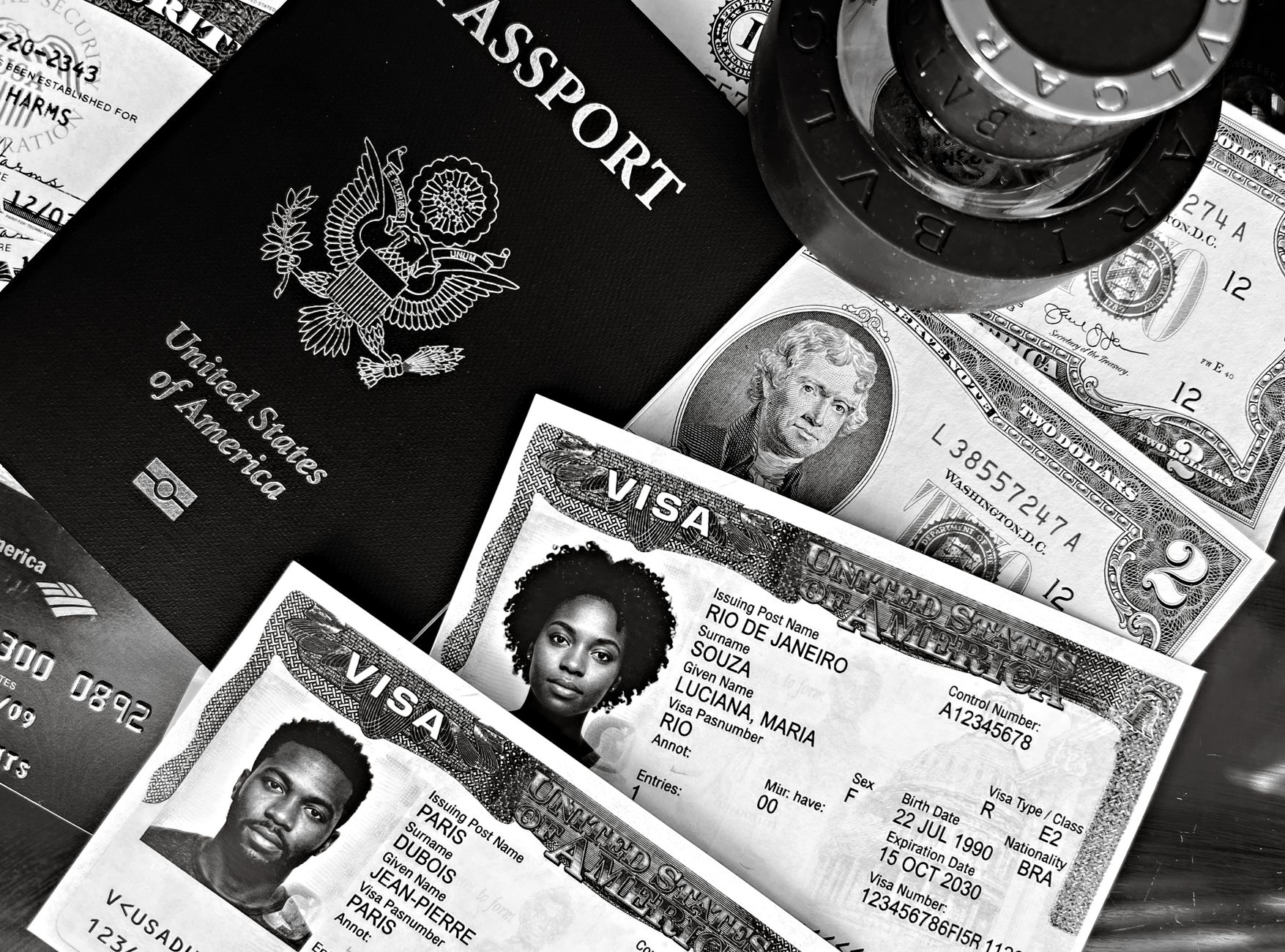
Most travelers can enter Martinique without a visa. EU citizens benefit from freedom of movement within Schengen countries. You only need a valid national ID card or passport. Children need their own travel documents; they cannot travel on parents' documents.
United States citizens receive 90 days of visa-free entry. Canadian visitors also get 90 days without a visa. Australian and New Zealand nationals receive the same visa-free allowance. These 90 days count across the entire Schengen area, not just Martinique.
Citizens of Brazil, Mexico, South Africa, and India need to apply for visas beforehand. Contact the French embassy in your home country to start the visa application process. Processing times typically take two to four weeks. Submit your application at least one month before your planned departure date.
Travelers from other nations should verify their status with the French embassy. Nationality-based rules change occasionally, so always confirm current requirements. Your travel agent can help verify entry rules specific to your passport. The official French government website maintains updated visa information for all nationalities.
PRO TIP: Check your passport expiration date at least six months before traveling. Many travelers discover expired or nearly-expired passports at airport security. Renewing a passport takes weeks, so plan ahead to avoid canceling your trip.
Entry Documents You Need
You need specific documents to enter Martinique successfully. Start with a valid passport in excellent condition. Damaged, water-stained, or heavily worn passports may cause entry problems. Bring the original passport, not a photocopy or digital scan.
Your return flight confirmation is helpful but not always required. Keep this document easily accessible in your carry-on bag. Airlines will ask for proof of onward travel when you check in. A return ticket demonstrates you plan to leave Martinique as promised.
Proof of accommodation helps customs officers understand your visit plans. Print a hotel confirmation, Airbnb reservation, or invitation letter from friends or family. This shows you have legitimate reasons for visiting and a place to stay. Officers may ask to see this document, though they rarely do for short-term tourists.
Travel insurance documentation is not legally required but highly recommended. Your insurance provider will give you a policy document and certificate. Keep these documents with your passport at all times. Having insurance proves financial responsibility if medical issues arise during your stay.
Bring printed copies of important documents in case digital devices fail. Pack a photocopy of your passport's main page separately from your original. Store copies in a different bag or location from the original documents. This backup helps replace documents if theft occurs during your trip.
Children traveling to Martinique need passports or birth certificates depending on age. Infants need passports regardless of trip length. Older children may travel with birth certificates on Caribbean regional flights. Verify exact requirements with your airline before booking tickets.
Customs Rules in Martinique

Martinique follows French and European Union customs regulations. You can bring personal items duty-free for your stay. Clothes, toiletries, medications, and electronics pass through customs easily. Declare anything unusual or valuable when asked by customs officers.
Alcohol and tobacco have strict limits entering Martinique. You may bring one liter of spirits or two liters of wine. Cigarette allowances vary by age and visitor status. Exceeding these limits results in confiscation and potential fines at the airport.
Fresh fruits, vegetables, and animal products face strict restrictions. Do not pack fresh food items for your journey. Canned goods, processed foods, and sealed snacks generally pass through without issues. Agriculture is important to Martinique's economy, so authorities protect local farmers from imported produce.
Prescription medications require documentation and original packaging. Bring a doctor's letter or prescription in English explaining your medications. Include the medication names, dosages, and treatment duration. Non-prescription medications in reasonable quantities typically face no problems.
Weapons, including kitchen knives and tools, must stay in checked luggage. Carry-on bags cannot contain anything that could endanger passengers. This includes sharp objects, lighters, and aerosol cans. Pack these items carefully in your checked suitcase to avoid confiscation.
Currency restrictions apply if you carry large amounts of cash. Amounts exceeding 10,000 euros require declaration to customs. Have documentation showing the money's origin and purpose. This prevents money laundering concerns and ensures smooth passage through customs.
PRO TIP: Pack medications in original containers with prescription labels clearly visible. Customs officers need to verify medications are legitimate and prescribed to you. Loose pills in unmarked bottles raise red flags and may be confiscated.
Is Martinique Safe To Visit
Martinique is generally safe for tourists visiting popular areas. The island welcomes hundreds of thousands of visitors annually without major incidents. Most travelers enjoy their stays without experiencing problems. Tourist areas maintain good security and police presence throughout.
Petty theft occurs in crowded tourist zones like Fort-de-France. Avoid displaying expensive cameras, jewelry, or large amounts of cash. Keep valuables in hotel safes rather than carrying them around. Use common sense and stay aware of your surroundings like you would in any city.
Beaches and resort areas offer excellent safety for families. Major hotels provide secure environments with trained staff. Swimming beaches have lifeguards during busy seasons. Stick to populated areas rather than isolated beaches, especially at night.
Street crime happens occasionally in less-developed neighborhoods. Tourist guidebooks identify areas to avoid after dark. Your hotel staff can recommend safe neighborhoods and dining areas. Sticking to established tourist routes keeps you in secure zones.
Hurricane season runs June through November, with peak activity in September and October. Travel during the dry season (December through May) to avoid storms. Weather alerts notify visitors of approaching weather systems. Travel insurance covers hurricane-related trip cancellations and emergency situations.
Water safety is generally good in established tourist areas. Ocean currents vary by beach, so ask locals about swimming conditions. Some beaches have strong currents dangerous for weak swimmers. Always follow local advice about water conditions and swimming safety.
Health Requirements
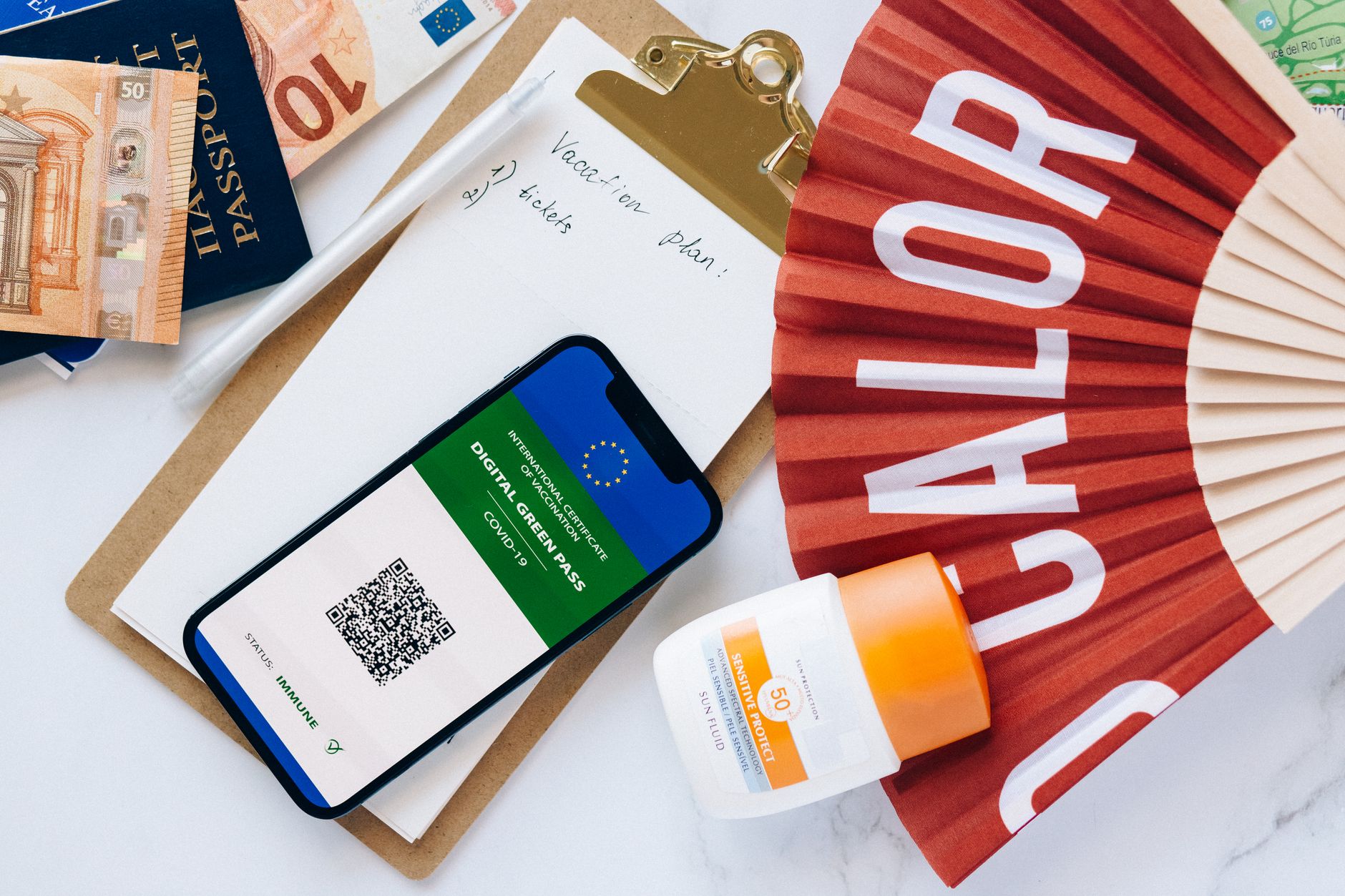
No vaccinations are officially required to enter Martinique. However, doctors recommend certain vaccinations based on your travel history. Hepatitis A vaccination protects against a common water-related illness. Yellow fever vaccination is recommended if you're traveling from certain African or South American countries.
Typhoid vaccination is optional but recommended for most visitors. Consult your doctor at least four weeks before travel. They evaluate your health history and recommend appropriate vaccinations. Some vaccinations require multiple doses, so planning ahead is essential.
Malaria risk is low in Martinique, especially in tourist areas. The island's development and climate control mosquito populations effectively. However, dengue fever and Zika virus occasionally occur. Bring insect repellent containing DEET for protection against mosquito-borne illnesses.
Travel to a doctor one month before your trip for health consultations. Request prescriptions for medications you take regularly. Bring an extra supply of prescription medications in original containers. Include a doctor's letter explaining any chronic health conditions.
Medical facilities in Martinique are modern and reliable. Fort-de-France has major hospitals providing quality emergency care. Tourist areas have clinics and pharmacies for minor health issues. Travel insurance ensures you can access medical care without major expenses.
Tap water is safe to drink in most tourist areas and hotels. Some smaller guesthouses may have water quality concerns. Stick to bottled water if you prefer absolute certainty. Staying hydrated is important in Martinique's tropical heat.
Travel Insurance for Martinique
Travel insurance is not required but strongly recommended for Martinique trips. Comprehensive policies cover medical emergencies, trip cancellations, and baggage loss. Insurance protects your financial investment if circumstances force you to cancel. Medical costs for tourists can be extremely expensive without coverage.
Purchase insurance within 14 days of your initial trip deposit. Most policies offer better benefits when purchased shortly after booking. Waiting until closer to departure limits coverage options. Buy insurance immediately after confirming your flights and accommodations.
Medical coverage should include emergency evacuation to your home country. Serious injuries or illnesses might require flights to larger medical centers. Evacuation costs exceed $100,000 without insurance protection. Basic travel insurance policies may not cover evacuations, so verify coverage details.
Trip cancellation coverage refunds money if you cannot travel for covered reasons. Illness, injury, or death in your family typically qualify for reimbursement. Weather events like hurricanes fall under standard coverage. Read your policy carefully to understand exactly what qualifies for cancellation refunds.
Baggage protection covers lost or delayed luggage during your trip. Airlines provide limited compensation for lost belongings. Travel insurance fills the gap for replacement clothing and essentials. Delayed baggage coverage reimburses hotel costs if you arrive without luggage.
Adventure activity coverage is important if you plan scuba diving or water sports. Standard policies exclude dangerous activities like diving or mountain climbing. Add optional riders to cover activities specific to your Martinique itinerary. Verify your insurance provider covers the activities you plan to enjoy.
PRO TIP: Take photos of all expensive items you pack before leaving home. If baggage is lost, your insurance claim needs proof of what was inside. Photos and receipts help you receive fair compensation from your insurance company.
Frequently Asked Questions
Do I Need a Visa To Visit Martinique?
Most visitors do not need a visa for Martinique. Citizens of EU countries, the United States, Canada, Australia, and New Zealand enter visa-free. However, you must have a valid passport with at least six months validity remaining. Some nationalities including Brazil, Mexico, South Africa, and India require visas. Contact your nearest French embassy to verify your specific nationality requirements. Processing visa applications typically takes two to four weeks, so apply well in advance of your planned travel dates.
How Long Can I Stay in Martinique Without a Visa?
Visa-free visitors receive 90 days for tourism and leisure activities. This 90-day allowance covers your entire stay across all Schengen area countries combined. You cannot work or engage in paid activities during your visa-free visit. If you need to stay longer or work, you must apply for an appropriate long-stay visa before arriving. The 90 days resets when you leave the Schengen area for at least 90 days. Extensions are not possible once the 90-day period expires.
What Documents Do I Need at the Airport in Martinique?
Bring your valid passport, return flight confirmation, and proof of accommodation to Martinique Aime Cesaire International Airport. Your passport must be in good condition and valid for at least six months. Travel insurance documentation is recommended but not required by law. Keep these documents in your carry-on bag for easy access through immigration. Some customs officers may ask about your trip purpose and accommodation plans. Having all documents ready speeds up the entry process significantly.
Is Travel Insurance Required for Visiting Martinique?
Travel insurance is not a legal requirement for entering Martinique. However, it is essential for protecting your financial investment and health. Medical emergencies can cost thousands of dollars without insurance coverage. Trip cancellation insurance refunds your costs if unexpected circumstances prevent travel. Purchase comprehensive travel insurance within 14 days of your initial trip booking for best results. The cost of insurance is minimal compared to potential medical or cancellation expenses you might face.
What Should I Do If My Passport Is Damaged?
Do not attempt to travel with a damaged, water-stained, or heavily worn passport. Martinique customs officers may deny entry if your passport appears compromised. Apply for passport replacement immediately if you notice damage. Standard passport replacement takes two to three weeks, so apply right away. Emergency passport services can process replacements in days but cost significantly more. Contact your country's passport office to understand replacement timelines and costs for your specific situation.