
Last updated:
Best Markets in Martinique
Martinique markets offer vibrant colors, fresh tropical products, and genuine Caribbean culture. Visitors discover energetic vendors, traditional foods, and handmade crafts throughout the island. The markets reflect the island's French and Creole heritage in every stall and transaction.
Grand Marche de Fort-de-France stands as Martinique's largest market. Located in the capital city, this bustling hub opens early morning when energy peaks. Vendors sell produce, spices, flowers, and local products from dawn until midday. You'll find everything from christophine squash to fresh mangoes here.
The market operates in a covered building that keeps shoppers cool during hot days. Narrow aisles wind between packed stalls where merchants display their goods proudly. Haggling happens naturally, though prices stay reasonable. You'll hear French and Creole spoken constantly throughout.
Marche aux Fleurs specializes in tropical flowers and plants. This flower market attracts photographers and gardeners alike. Anthurium flowers, orchids, and colorful plants fill every corner. The scents alone make visiting worthwhile.
Marche de Schoelcher offers a quieter market experience outside Fort-de-France. This smaller market features local produce and everyday items. Many tourists miss this gem, making it feel more authentic. Regular shoppers frequent it daily for groceries and basics.
Local Food Markets in Martinique

Food markets throughout Martinique showcase the island's agricultural abundance. Tropical fruits, fresh vegetables, and seafood dominate these spaces. Markets operate best in early morning hours when vendors unload fresh stock.
Fresh Produce at Grand Marche includes mangoes, papayas, pineapples, and bananas. Visitors find multiple mango varieties in season. Christophine (chayote), breadfruit, and root vegetables line other stalls. Tropical fruits cost far less here than in supermarkets.
Spice vendors sell essential Martinique ingredients. You'll find cinnamon, nutmeg, cloves, and turmeric in bulk. Local hot pepper sauces and spice blends appear in colorful bottles. Many vendors offer free samples to encourage purchases.
Seafood Markets display fresh catches daily. Fish vendors arrange their stock on ice early morning. Red snapper, mahi-mahi, and local grouper varieties appear regularly. Shrimp and lobster occasional appear for special occasions. Prices vary based on daily catches.
Baked goods vendors sell fresh bread and pastries. French baguettes and pain aux raisins come warm from nearby bakeries. These items disappear quickly during morning hours. Arriving before 9 AM ensures good selection.
Spice markets near the main food areas offer dried ingredients. Vanilla pods from Reunion appear occasionally. Dried chili peppers and local herbs fill shelves. Tourists often purchase these items for home cooking later.
PRO TIP: Visit markets between 6 AM and 10 AM for the freshest selections and most authentic vendor interactions. Bring cash in euros, wear comfortable shoes, and bring a reusable bag for purchases.
Craft and Souvenir Shopping
Martinique's craft markets showcase traditional artisan work. Local artists create items reflecting Caribbean heritage. Wood carvings, pottery, and beaded jewelry appear throughout markets and shops.
Wood Carving Traditions run deep in Martinique culture. Artisans craft bowls, masks, and decorative pieces from local wood. Each item takes hours or days to complete. Prices reflect the skilled labor involved. Smaller items start at reasonable prices for budget travelers.
Pottery and clay work represent another strong craft tradition. Local potters create functional bowls, vases, and decorative pieces. Traditional designs feature geometric patterns and natural colors. Many artisans sell directly from their studios or market stalls.
Beaded Jewelry combines African and Caribbean influences. Vendors create colorful bracelets, necklaces, and earrings by hand. Beads come in numerous colors and sizes. Prices vary based on complexity and materials used.
Woven Items include baskets, bags, and mats. Local women weave these items using traditional techniques. Straw and palm materials create natural, durable products. Woven bags make practical souvenirs for travelers.
Rum-related items appear in many craft shops. Local distilleries sell branded bottles and merchandise. Rum punches come in decorative bottles perfect for gifts. Packaging ranges from simple to elaborate.
Where To Buy Local Products

Multiple locations throughout Martinique sell local products. Grand Marche de Fort-de-France remains the most comprehensive option. However, smaller markets and specialty shops offer unique finds. Each location serves different traveler needs and preferences.
Fort-de-France Shopping Districts concentrate around the city center. Grand Marche anchors the market experience. Nearby streets contain additional shops and vendor stalls. The area fills with activity during daylight hours. Pedestrians walk between shops easily on foot.
Rue Antoine Siger contains smaller boutiques and craft shops. Local artists rent stalls and display their work here. You'll find paintings, sculptures, and handmade crafts. Vendors welcome conversation and custom orders.
Schoelcher Market Area serves a more local crowd. Fewer tourists visit this market compared to Grand Marche. Prices sometimes run slightly lower here. The experience feels more authentic as you'll be among regular shoppers.
Distillery Gift Shops throughout Martinique sell rum and local products. The Rhum Clement distillery near Francois offers tours and shopping. Depaz Distillery in Saint-Pierre also sells products and merchandise. These shops feature unique items unavailable elsewhere.
Art Galleries and Studios concentrate in artistic communities. Le Marin hosts several artist studios open to visitors. Artisans display work in progress and finished pieces. Direct purchases from artists often provide better prices.
Supermarkets and Modern Shops offer convenient alternatives. Carrefour and Casino supermarkets carry local products alongside international brands. Prices run higher than markets but offer reliability. These stores stay open during afternoon hours when markets close.
PRO TIP: Ask market vendors where they source items. Many craft pieces come directly from the makers, ensuring authenticity. Building relationships with vendors often leads to better prices and special finds.
Shopping Hours and Tips
Market Hours vary by location and day. Grand Marche de Fort-de-France opens at 6 AM most days. Morning hours from 6 AM to 10 AM offer peak activity and selection. The market quiets significantly by noon. Most vendors close their stalls by 1 PM.
Some vendors return in late afternoon for weekend shopping. Saturday brings the largest crowds and fullest stalls. Sunday hours remain limited, with fewer vendors present. Monday through Friday maintain regular morning schedules.
Payment Methods mostly rely on cash. Bring euros in small denominations. Larger markets sometimes accept cards, but don't count on it. ATMs operate near Fort-de-France markets for cash withdrawals.
Practical Shopping Tips help maximize your experience. Wear comfortable walking shoes on market days. Bring a reusable bag or small wheeled cart. Markets get crowded, so arrive early for better navigation. Speak basic French or Creole phrases to connect with vendors.
Haggling occurs naturally in Martinique markets. Vendors expect friendly negotiation, particularly for multiple items. Start with your offer significantly lower than the asking price. Meet somewhere in the middle for both parties' satisfaction.
Safety Considerations remain important while shopping. Watch your belongings in crowded areas. Keep valuables secure in front pockets. Avoid displaying large amounts of cash. Solo travelers should shop during peak hours when markets stay busy.
Weather Preparation ensures comfort during market visits. Bring sunscreen and wear a hat. Markets run hot despite some shade coverage. Carry water or buy fresh coconut water from vendors. Rain showers occur suddenly, so timing matters.
What To Buy in Martinique
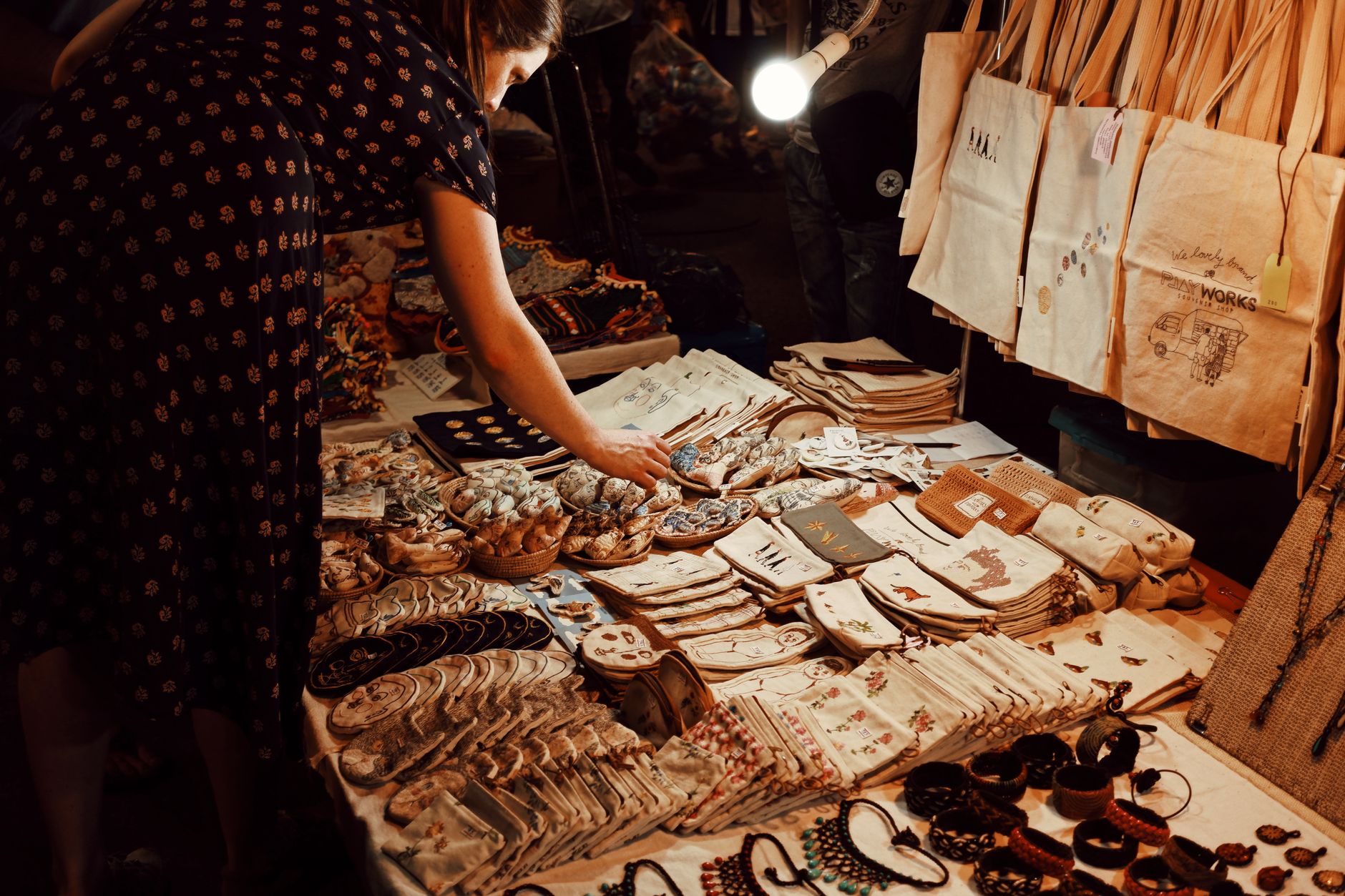
Martinique offers numerous authentic purchases. Local goods reflect the island's culture and craftsmanship. Smart shopping means buying items you cannot find at home.
Rhum Agricole represents Martinique's most famous export. Local distilleries produce premium rum from sugarcane. Clement, Depaz, and Neisson rank among top brands. Bottles range from entry level to aged premium selections. Many travelers purchase multiple bottles as gifts.
Tropical Spices and Seasonings capture island flavors for home cooking. Vanilla pods from nearby Reunion appear occasionally. Local hot pepper sauces and spice blends stay fresh longer. Small containers take minimal luggage space. These items make affordable, appreciated gifts.
Handmade Wood Items showcase local artisan skills. Small bowls and utensils serve practical purposes. Decorative masks and sculptures become wall art. Each piece carries unique character from its creator. Prices start low for simple items.
Local Artwork includes paintings and prints. Martinique artists create colorful pieces featuring island life. Market stalls display smaller prints at reasonable prices. Larger gallery pieces command premium pricing. Art reflects Caribbean culture authentically.
Handwoven Bags and Baskets combine practicality with beauty. Market vendors weave items using traditional methods. Bags hold purchases while shopping. Baskets store items at home later. These items support local artisans directly.
Costume Jewelry and Beaded Items offer colorful souvenirs. Vendors create bracelets and necklaces daily. Prices stay affordable for budget travelers. Pieces make excellent gifts for friends and family. No customs concerns with beaded items.
Canned and Packaged Goods represent another shopping option. Local pates and specialty foods appear in markets. Candied fruits and coconut treats satisfy sweet tooths. These items fit easily in luggage for the journey home.
PRO TIP: Bring empty luggage space for heavier purchases like rum bottles. Pack glass items carefully between clothing. Purchase items gradually rather than all at once to manage luggage weight. Many shops offer shipping services for large pieces.
Frequently Asked Questions
What Is the Best Time To Visit Martinique Markets?
Early morning hours from 6 AM to 10 AM offer the best market experience. You'll find the freshest products and fullest vendor stalls during these times. The weather stays cooler before afternoon heat peaks. Saturday mornings bring the largest crowds and widest selection. Fewer tourists visit on weekday mornings, making the atmosphere more local and authentic.
Do I Need To Haggle in Martinique Markets?
Haggling is expected and welcomed in Martinique markets. Vendors price items with negotiation in mind. Start with a lower offer than the asking price and meet in the middle. Friendly haggling builds relationships with vendors and often results in better deals. However, supermarkets and established shops maintain fixed prices without negotiation options.
Can I Use Credit Cards in Martinique Markets?
Cash remains the primary payment method in most markets. Many vendors accept only euros in paper and coin form. Bring multiple ATMs locate near major markets for cash withdrawals. Some larger market stalls and shops accept credit cards, but this remains inconsistent. Always carry cash when visiting markets to ensure you can complete purchases smoothly.
What Souvenirs Are Best To Buy in Martinique?
Rhum Agricole from local distilleries represents Martinique's most popular souvenir. Handmade crafts including wood items and beaded jewelry showcase local artisan work. Tropical spices and hot pepper sauces capture island flavors for cooking. Woven bags and baskets serve practical and decorative purposes. Artwork and prints depicting Caribbean scenes make meaningful gifts that remind you of island beauty.
Are Martinique Markets Safe for Solo Travelers?
Martinique markets operate safely during busy morning hours when crowds remain substantial. Solo travelers should visit between 6 AM and 10 AM for maximum security. Watch belongings carefully in crowded areas and keep valuables in front pockets. Avoid visiting markets late afternoon or evening when crowds thin. Stick to main areas and stay near other shoppers for added safety and comfort.