
Last updated:
Martinique Scuba Diving: an Island Adventure
Martinique scuba diving offers some of the Caribbean's most rewarding underwater experiences. This French overseas department sits in the Lesser Antilles, surrounded by warm waters year round. The island welcomes divers of all skill levels with accessible dive sites and professional operators. Divers explore vibrant coral reefs, shipwrecks, and abundant marine life. The calm bays on the west coast provide ideal conditions for beginners. Experienced divers find challenging deep sites with dramatic rock formations and pelagic encounters.
You will find dive operations in major coastal towns. Most operators offer multiple dives daily from sheltered moorings. The island's French heritage means you may encounter French alongside English at some dive shops. Martinique's underwater topography includes volcanic rock formations, sandy bottoms, and healthy coral gardens. Water temperatures stay warm even in winter months, typically between 26 to 29°C. This makes Martinique scuba diving comfortable without heavy wetsuits during most of the year.
Best Dive Sites in Martinique
Diamond Rock (Rocher Du Diamant)
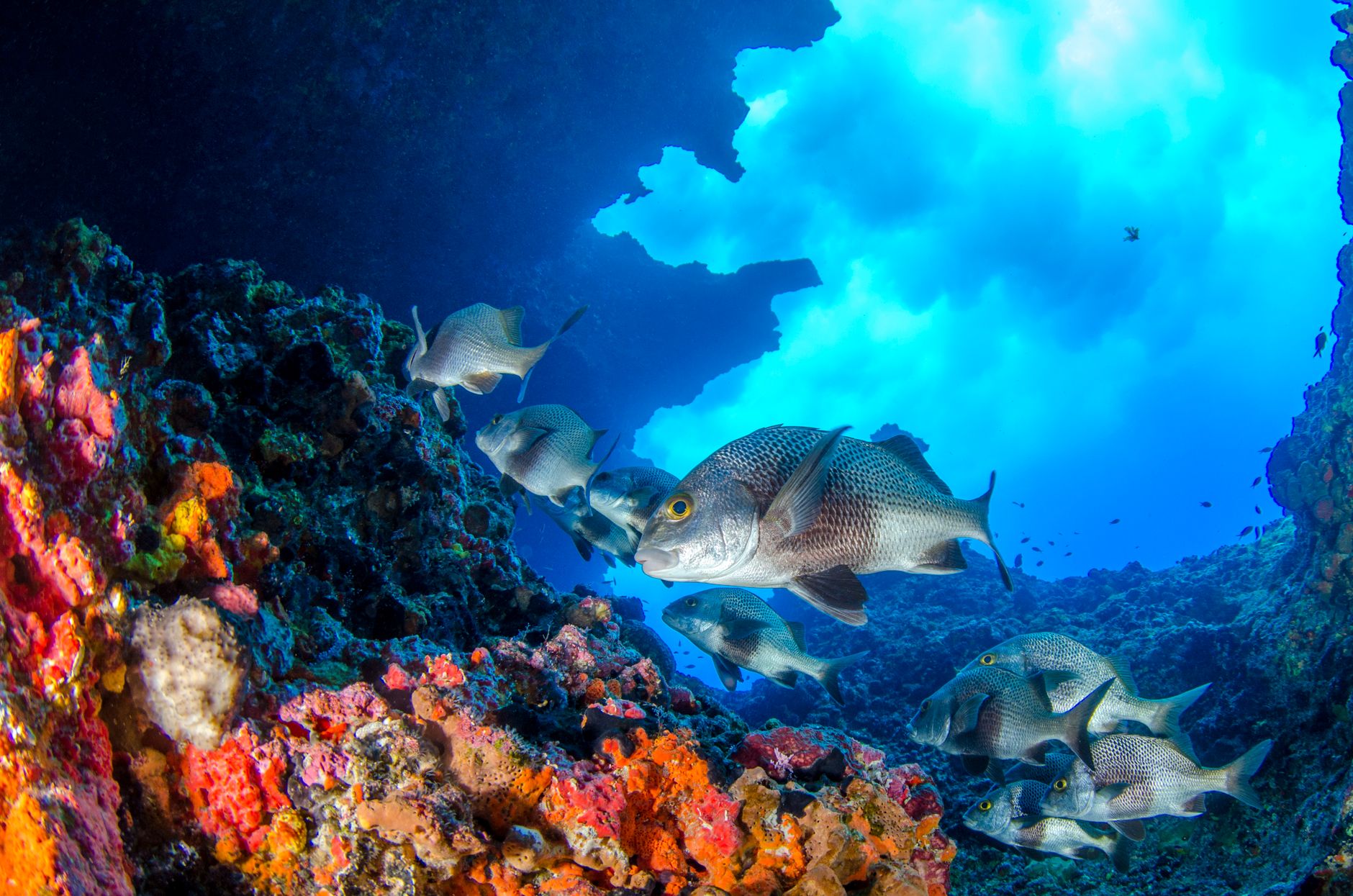
Diamond Rock stands as Martinique's most iconic dive site. This massive rock formation rises dramatically from the seabed near the south coast. You can see the rock from Martinique's main island and reach it via boat in about 15 minutes from Trois Ilets. The dive begins at the rock's base where walls drop to impressive depths. Divers navigate around the rock's perimeter, discovering caves, crevices, and overhangs.
The site features excellent coral coverage and schools of tropical fish. You may encounter spotted eagle rays gliding through the blue water. Lobsters hide in rocky crevices during daylight hours. The dive suits both intermediate and advanced divers. Currents can strengthen, so your guide will choose entry points based on conditions. Multiple dive operators run daily trips to Diamond Rock from various harbors.
Anse Dufour Reef
Anse Dufour provides excellent beginner-friendly diving near the fishing village of the same name. The reef sits just offshore in shallow water between 10 and 25 meters deep. Soft corals and sea fans create a colorful landscape. Parrotfish, angelfish, and damselfish swim freely through the branching coral. You will spot octopuses hiding in sandy patches between coral heads.
The site offers multiple entry points from the beach or nearby boats. Visibility typically exceeds 20 meters. The reef slopes gradually, allowing divers to manage their depth easily. Anse Dufour suits families with certified children and newly qualified divers. The nearby village offers small food-restaurants and beach facilities for your surface interval.
Pointe De La Chevalerie
This northern reef site features rich marine biodiversity and dramatic topography. The reef begins in shallow water and slopes toward the deep. You can explore coral formations, rocky outcrops, and sandy channels. The site regularly produces sightings of reef sharks, groupers, and large jacks. Divers comfortable at depth will appreciate the deeper sections beyond 25 meters.
Visibility often exceeds 25 meters. The reef ecosystem here remains relatively pristine. Local dive operators can navigate you through the best sections. The site works well for divers with 20 to 30 logged dives. Strong swimmers should join this dive as currents sometimes affect the area.
The Wreck of the Nahoon
The Nahoon wreck lies off the south coast in about 40 meters of water. This former cargo vessel sank years ago and now attracts divers seeking technical challenges. The wreck sits upright on the seafloor with its structure largely intact. You can explore the exterior and penetrate sections of the superstructure. Schools of jacks circle the wreck regularly.
Only advanced divers with wreck experience should attempt interior penetrations. The site requires good buoyancy control and strong technical skills. Most operators offer the Nahoon as a specialized dive. Surface support boats remain on station during all dives. The experience showcases Martinique's diverse dive environments beyond living reefs.
PRO TIP: Book your Diamond Rock dive early in the day for the calmest conditions and strongest visibility. Morning dives here offer the best light for underwater photography.
Scuba Diving for Beginners in Martinique
Beginning your scuba diving journey in Martinique offers ideal conditions and excellent instruction. The warm water, calm sites, and professional dive schools create a perfect learning environment. You can earn your certification in just 3 days with an Open Water course. Most dive operators in Martinique hold PADI, SSI, or NAUI certifications and recognize all major training agencies.
Your first step involves enrolling in a certification course at a dive school. You will complete classroom study covering basic diving physics and safety procedures. Pool or confined water sessions follow, where you practice essential skills in controlled conditions. Your instructor teaches you how to clear your mask, manage buoyancy, and rescue yourself underwater. You learn to use your dive computer and understand dive tables. After confined water training, you make four open water dives to practice these skills in natural conditions.
Anse Dufour and other shallow reefs serve as excellent training dive locations. The sandy bottoms provide comfortable environments for practicing skills. The colorful marine life keeps students engaged while building confidence. Visibility in the 15 to 25 meter range lets you see your surroundings clearly without feeling overwhelmed by depth.
Beginner divers should expect to spend 200 to 400 EUR total on certification training. This includes course materials, confined water sessions, and open water training dives. Some operators bundle accommodation packages with dive training. Budget additional funds for equipment rental if you don't own your own gear.
After certification, you can join recreational dives at depths to 18 meters. Most beginner dives in Martinique stay shallower than 15 meters. Your dive master will guide you through safety briefings before each dive. You will learn site-specific conditions, hazards, and what to expect underwater. Never dive beyond your training level or without a qualified guide.
Bring a logbook to record all your dives. This documentation helps dive operators verify your experience level. Recording details about each site helps you remember what you saw and improves your diving skills over time. Many divers find their logbook becomes a treasured travel memory.
Snorkeling in Martinique

Snorkeling offers wonderful marine experiences without the commitment of scuba certification. Martinique features numerous snorkeling sites with shallow reefs and abundant fish life. You need only a mask, fins, and snorkel to start exploring. Many beaches offer excellent snorkeling directly from shore. Boats also run snorkeling excursions to more distant sites.
Anse Noire near Anse d'Arlet provides calm, shallow reef snorkeling. The beach has reliable facilities and nearby restaurants. You can snorkel in water just 2 to 5 meters deep while seeing parrotfish, angelfish, and small groupers. The water clarity generally exceeds 15 meters. Bring reef-safe sunscreen as regular sunscreen damages coral ecosystems.
Anse Mitan at Trois Ilets offers protected bay snorkeling with easy beach access. Resorts border this beach, and water sports operators work directly from the sand. The bay remains calm even during windy periods. Snorkelers find soft corals, sea grass beds, and diverse fish species. Children feel comfortable in this sheltered location.
For serious snorkelers, boat trips to distant reefs provide deeper exploration. Operators run half and full day snorkeling expeditions. These trips often include multiple snorkel sites plus a beach lunch. You will see larger fish, eagle rays, and healthier coral formations at offshore sites. Snorkelers with good swimming ability can explore deeper reefs than beach snorkeling allows.
Pack a rash guard or wetsuit top to protect yourself from sun exposure and minor cuts. Wear fins that fit properly to avoid blisters. Apply reef-safe sunscreen 15 minutes before entering water. Bring a water bottle and shade hat for beach time. Never touch coral or sea creatures regardless of how close they swim to you.
PRO TIP: Snorkel early morning before boat traffic increases. You will see more fish and enjoy better visibility when silt hasn't been stirred up.
Dive Schools and Operators
Choosing a Dive Operator
Martinique hosts numerous PADI and SSI certified dive operators. Most shops maintain excellent safety records and modern equipment. Operators typically offer daily boat dives, certification courses, and specialty training. You can find dive shops in Trois Ilets, Anse d'Arlet, and other coastal towns. Many hotels and resorts maintain relationships with local dive operators and offer booking assistance.
When selecting an operator, verify their certifications and check customer reviews. Ask about guide qualifications, group sizes, and safety procedures. Reputable operators limit groups to six divers per guide. They conduct thorough safety briefings and require proper documentation of your certification level. Ask about their maintenance schedules for boats and equipment.
What To Expect at a Dive Shop
Upon arrival, staff will verify your certification card and diving experience. You will complete liability waivers and medical questionnaires. Staff will fit your rental equipment if needed. Weights, tanks, and regulators get checked before every dive. Your guide briefs you on site conditions, marine life, hazards, and emergency procedures.
Dives typically last 45 to 60 minutes underwater. A surface interval of 30 to 45 minutes follows the first dive before the second dive begins. Most operators offer morning dives and afternoon dives. Single dives suit casual divers while multiple dives work for serious enthusiasts. Plan to spend 4 to 5 hours at the dive shop for a two-dive day.
Equipment and Rentals
Dive shops rent complete equipment packages or individual items. Standard rental packages include tank, regulator, BCD, wetsuit, and fins. You can rent individual pieces if you own some equipment. Daily rental costs vary but expect to budget 30 to 50 EUR for equipment rental. Deposit requirements typically apply for rental gear.
Bring your own equipment if you prefer familiar gear. Many divers travel with personal masks, fins, and wetsuits. Full scuba equipment proves heavy to transport internationally, so rental makes sense for most travelers. Ensure your personal regulator servicing is current before traveling with it.
What You Will See Underwater

Fish Species
Martinique's reefs host hundreds of fish species. Parrotfish range from small to large, creating sounds as they crunch coral. Angelfish display bold colors and patterns. Damselfish aggressively defend their reef territories. Groupers hide in rocky crevices and often approach divers out of curiosity. Snappers school together in loose formations. Jacks patrol the blue water seeking food.
Spotted eagle rays glide gracefully along the bottom. Southern stingrays bury themselves in sand during daylight. Puffer fish waddle along the reef, inflating when threatened. Scorpionfish hide motionless on the bottom, camouflaged perfectly. Trumpetfish mimic floating seaweed while hunting. Seahorses hide in seagrass beds on sandy bottoms.
Coral and Invertebrates
Branching corals create complex structures full of hiding places. Boulder corals provide shelter for thousands of creatures. Brain corals grow slowly and may be centuries old. Soft corals sway with the surge. Sea fans extend toward the current. Sea anemones host clownfish and other symbionts. Sponges filter feed in the water column. Giant clams open their shells to reveal colorful tissue.
Lobsters hide in cracks during the day, becoming active at night. Spiny sea urchins cover themselves with rocks and shells. Brittle stars hide under rocks and coral. Sea stars of various colors cling to hard surfaces. Nudibranches crawl slowly across the bottom eating sponges. Octopuses change color instantly when startled. Shrimp hover near anemones with cleaning symbiotes.
Larger Marine Animals
Reef sharks occasionally appear at deeper sites. Spotted eagle rays are common along sandy bottoms. Groupers weighing over 20 pounds inhabit deep reefs. Tarpon schools sometimes visit shallow areas. Barracudas patrol the blue water but rarely approach divers. Sea turtles appear throughout Martinique's waters. You might encounter them resting on the bottom or swimming along the reef edge.
Dolphins occasionally pass Martinique, though they rarely come to reef depth. Larger pelagics like tuna and jack crevalle hunt on the outer reefs. Large jacks often form feeding balls around smaller fish. The deeper wrecks attract different species than shallow reefs. Nocturnal creatures emerge after dark for specialized night dives.
PRO TIP: Move slowly and watch before touching anything. Many reef creatures hide in coral crevices and emerge when the area feels calm. Patient observation reveals creatures that rush divers miss.
Best Time To Dive in Martinique
Martinique offers year-round diving, but certain months provide optimal conditions. The official best diving months are December through May. During this dry season, winds decrease, waves settle, and visibility improves. Temperatures remain warm at 27°C year-round but feel most pleasant from December to April.
December through February brings slightly cooler air temperatures but the calmest seas. January and February often provide the best visibility of any months. Dive sites on the west coast remain sheltered even during windy periods. The trade winds blow more gently during these months, reducing wave action. This is peak tourist season, so advance bookings become important.
March, April, and May continue to offer excellent conditions with slightly warmer water and air. These shoulder season months see fewer tourists than winter. Dive sites remain accessible with good visibility. You may find better availability at dive shops and accommodations during these months.
June through November represents the wet season and hurricane season. Afternoon rain becomes common but usually brief. Water temperatures rise to 29°C, making diving even warmer. However, winds increase during this period, creating choppy seas. Some sites become difficult to access due to rough conditions. Visibility may decrease due to increased runoff and wind stirring. The hurricane season from August to November brings weather unpredictability that can cancel dive operations.
Divers flexible with dates should plan visits in April or May. These months offer excellent conditions with fewer tourists than peak winter. The water warms to pleasant temperatures. Rainfall increases but rarely disrupts diving. Early season discounts sometimes apply to accommodations and dive operators.
Frequently Asked Questions

Do I Need a Visa To Visit Martinique?
Most nationalities do not require a visa to visit Martinique. As a French overseas department, Schengen-adjacent entry rules apply. Citizens of the United States, Canada, Australia, and most other countries can enter visa-free for tourism purposes. Your passport must be valid for at least six months. Stays typically permit up to 90 days. Check with French authorities before traveling if your country is not listed among visa-exempt nations.
What Certification Level Do I Need for Martinique Scuba Diving?
Recreational diving in Martinique requires at least an Open Water certification from a recognized agency like PADI, SSI, or NAUL. Beginners can achieve this certification in three days through a dive school. Most dives in Martinique stay between 12 and 25 meters depth, well within recreational limits. Advanced Open Water certification opens access to deeper sites beyond 18 meters. Specialized certifications like wreck diving allow exploration of wrecks and caves safely.
How Much Does Scuba Diving Cost in Martinique?
A single dive costs approximately 50 to 75 EUR with rental equipment included. A two-dive day runs 90 to 130 EUR. Open Water certification courses cost 200 to 400 EUR total. Equipment rental adds 30 to 50 EUR daily if not included with dives. Many operators offer package discounts for multiple days of diving. Specialized dives like wreck diving may cost slightly more. Book in advance for better rates during peak season.
Is It Safe To Dive in Martinique?
Martinique maintains excellent dive safety standards through professional, certified operators. The water temperature stays warm year-round, reducing hypothermia risks. Most dive sites feature calm conditions and clear visibility. Sharks rarely encounter divers, and dangerous marine life is uncommon on reefs. Dive operators enforce strict safety protocols and maintain modern equipment. Always dive with a certified guide, respect marine life, and follow all safety briefings. Check your health before diving and disclose medical conditions to your operator.
Can Non-Divers Enjoy Water Activities in Martinique?
Absolutely. Snorkeling provides excellent marine experiences without scuba certification. Hundreds of beaches offer swimming and water sports. Glass-bottom boat tours allow underwater viewing without getting wet. Whale and dolphin watching tours depart from several harbors. Beach clubs, kayaking, and paddleboarding offer additional water activities. Martinique's coast provides fun water experiences for everyone regardless of diving certification status.