
Last updated:
Martinique Vacation Planning Essentials
Martinique sits in the Lesser Antilles, a stunning French Caribbean destination with rich culture and natural beauty. You'll discover volcanic beaches, colonial architecture, and incredible local cuisine. The island covers 1128 square kilometers and welcomes 368,000 residents who speak French and Martinican Creole. Martinique vacation planning requires understanding the island's geography, climate, and attractions to maximize your time here.
As a French overseas department, Martinique offers European infrastructure mixed with Caribbean charm. You'll use euros instead of Caribbean dollars, which simplifies budgeting for many travelers. The nearest major airport is Martinique Aime Cesaire International Airport, where most visitors arrive. Most travelers don't need visas, though Schengen-adjacent entry rules apply to certain nationalities. This makes Martinique vacation planning straightforward for European and North American tourists.
The island features three main regions: the north with Mount Pelée, the central valley, and the southern beaches. Families appreciate the calm southern beaches and resort amenities. Couples enjoy romantic food-dining">dining and sunset spots throughout the island. Budget travelers find affordable street food and guesthouses in smaller towns. Each region offers distinct experiences, so your Martinique vacation planning should include multiple locations.
How Many Days Do You Need in Martinique

You can experience Martinique's highlights in three to five days, though seven days allows deeper exploration. A three-day trip covers Fort-de-France, one beach area, and a volcano hike. This minimum gives first-time visitors a taste of the island's diversity. You'll see colonial history, tropical scenery, and Caribbean culture without feeling rushed.
Five days lets you add beach relaxation and water activities to your itinerary. You can visit multiple beaches on different sides of the island. Most couples and families find five days ideal for their vacation. You'll have time for both activity and relaxation without exhaustion.
Seven days enables you to thoroughly explore Martinique's regions. You can visit the north's Mount Pelée and Diamond Rock in the south. Add a day trip to nearby islands like Saintes if desired. Budget travelers often choose seven days to spread costs across more activities. Extended stays reduce daily costs since accommodations and transportation become cheaper per day.
Ten days or longer allows island life immersion. You can take multiple scuba diving trips since Martinique has excellent diving sites. Visit rural villages, attend local festivals, and explore less-touristy areas. This timeframe suits couples seeking romantic extended getaways and families wanting vacation time without time stress.
PRO TIP: Book accommodations for five to seven days. Most visitors find this duration balances cost, experience, and travel fatigue. Arriving on Friday extends your weekend and reduces jet lag impact.
7-Day Martinique Itinerary
Day 1: Arrival and Fort-De-France
Land at Martinique Aime Cesaire International Airport in the morning or afternoon. Rent a car or arrange a taxi to your hotel in Fort-de-France, the island's capital. Spend the afternoon exploring the Savane des Esclaves, a massive central park with historical monuments. Walk along the waterfront to see colorful Creole architecture and local life.
Visit the Schœlcher Library in the evening, an ornate structure showcasing 19th-century design. Families enjoy the park's open spaces and local vendors selling refreshments. Couples appreciate sunset strolls through the historic streets. Eat dinner at a local restaurant serving traditional Creole dishes like colombo or accras.
Day 2: Volcano and Northern Coast
Drive north toward Mount Pelée, an active 1397-meter volcano. Hike the summit trail for panoramic island views. The hike takes three to four hours with moderate difficulty. Families with younger children can explore lower trails or visit the Morne Rouge village nearby instead. Bring plenty of water and wear sturdy hiking boots.
Stop at Anse Couleuvre, a secluded black sand beach on the northern coast. The beach offers excellent snorkeling and calm waters for swimming. Pack a picnic lunch or grab meals from local establishments. Return to your accommodation by evening, tired but satisfied.
Day 3: Beach Relaxation and Water Sports
Visit Les Salines or Anse Noire, two southern beaches famous for calm, clear water. Les Salines features a long sandy expanse popular with families and sunbathers. Anse Noire offers unique black volcanic sand. Spend the morning swimming and sunbathing. Book an afternoon scuba diving session since Martinique has exceptional diving sites with coral reefs and marine life.
Budget travelers rent beach chairs and umbrellas for the day rather than booking resort lounges. Couples can arrange romantic beach dinners at sunset. Families pack snacks and find shaded spots away from tourist crowds. Return to town for evening meals.
Day 4: Diamond Rock and Southern Exploration
Take a boat tour to Diamond Rock, a dramatic 175-meter rock formation in the south. The boat trip takes thirty minutes from Trois-Îlets. You'll see incredible views and learn about the rock's pirate history. Many tours include snorkeling stops nearby. This excursion suits adventurous families and couples seeking unique experiences.
Return to the southern coast and explore Trois-Îlets, a charming colonial village. Visit local markets and artisan shops selling handmade crafts. Eat fresh seafood at waterfront restaurants. Budget travelers find excellent meals under 20 euros at casual establishments. Evening strolls reveal Creole architecture and cultural heritage.
Day 5: Rum Distillery and Coastal Drive
Visit the Rhum Clement Distillery in Francois, an operating rum producer since 1887. Tours include the distillery grounds, historic buildings, and rum tasting. Most tours last two hours with knowledgeable guides explaining production. Families with kids enjoy the botanical gardens surrounding the facility. Book tours in advance during high season.
Drive along the southern coastal road to Grand-Rivière, a fishing village with stunning ocean views. Stop at lookout points for photographs and refreshments. Grab dinner at beachfront restaurants serving fresh catch daily.
Day 6: Nature Reserve and Relaxation
Explore Morne-Rouge or visit the Balata botanical gardens near Fort-de-France. The gardens showcase tropical plants, flowers, and wildlife in carefully maintained grounds. Walking paths suit all fitness levels. Families appreciate the shade and peaceful atmosphere. Couples find romantic settings for photographs among exotic vegetation.
Alternatively, visit Les Îlets du François, small islands accessible by boat from François. These protected areas offer pristine snorkeling with minimal crowds. Budget travelers skip organized tours and rent kayaks instead. Spend an afternoon swimming and relaxing on uncrowded sand.
Day 7: Shopping, Culture, and Departure
Spend your final morning at local markets buying souvenirs. Fort-de-France's main market offers spices, local crafts, rum, and fresh produce. Negotiate prices politely with vendors. Pack purchases carefully since fragile items break during travel.
Visit a museum or cultural site you missed earlier. The Musée Archéologique explores island history through artifacts and displays. Families enjoy this self-paced exploration. Arrange airport transport by mid-afternoon. Budget time for the drive since traffic increases before evening flights.
PRO TIP: Purchase rum and spices at local markets rather than tourist shops. Prices are 30 to 50 percent lower, and you support small vendors directly. Pack purchases in checked luggage to avoid baggage fees.
3-Day Martinique Itinerary
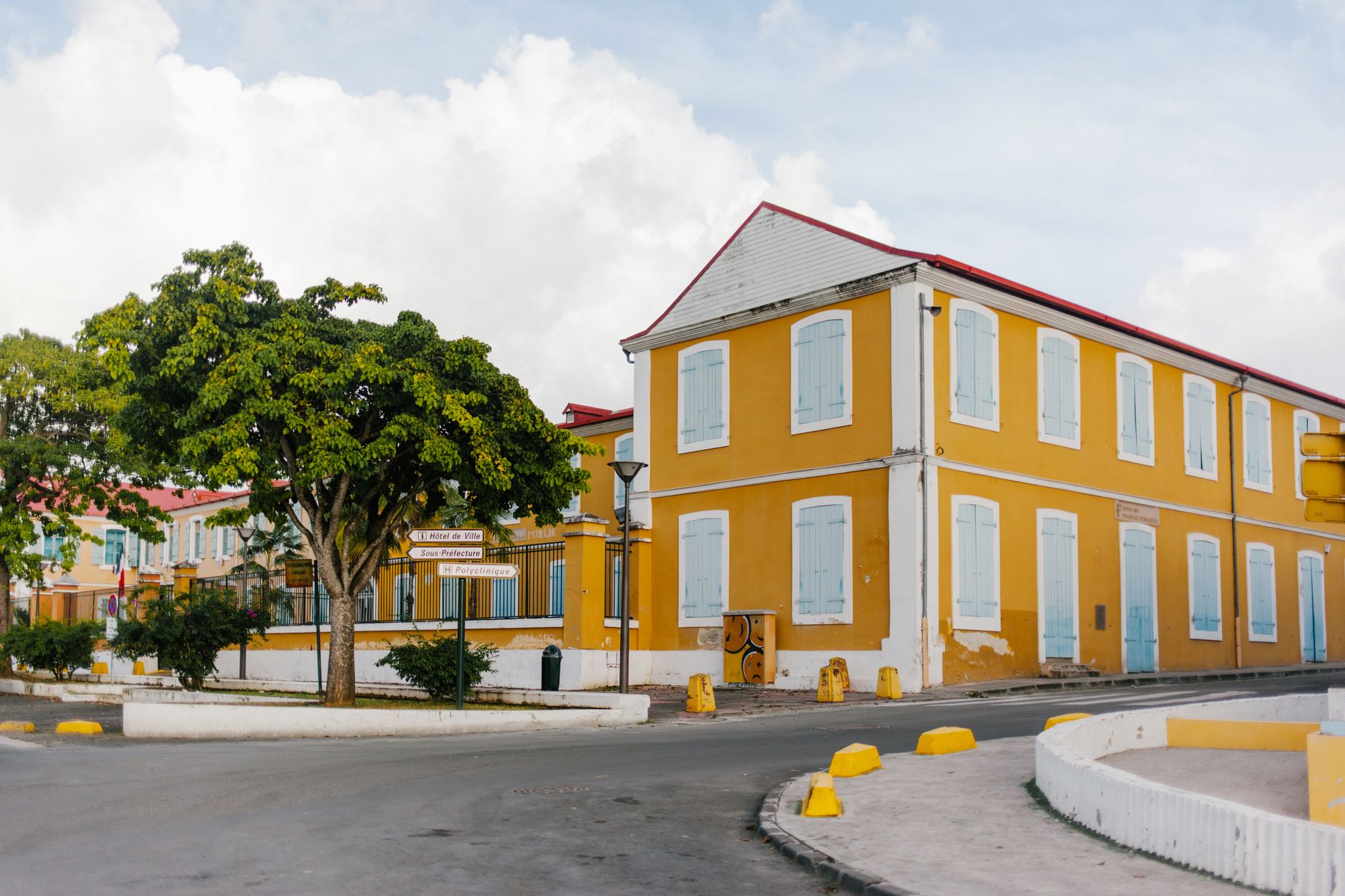
Day 1: Fort-De-France and Culture
Arrive and head directly to Fort-de-France. Explore Savane des Esclaves park and surrounding colonial architecture. Visit the Schœlcher Library if open. Eat dinner at an inexpensive local restaurant. Budget travelers save money eating where locals eat, not tourist districts.
Day 2: Beach and Snorkeling
Drive south to Les Salines or Anse Noire beach. Swim and relax for four hours. Book a snorkeling trip or dive session with a local operator. Grab fresh seafood lunch at beach shacks. Return by evening.
Day 3: Diamond Rock and Departure
Take a morning boat tour to Diamond Rock. Return and drive to the airport. This tight schedule covers Martinique's main highlights without extensive travel time between sites.
Martinique Travel Budget Guide
Accommodation Costs
Budget hotels cost 50 to 80 euros per night for basic rooms with private bathrooms. Mid-range hotels run 100 to 200 euros nightly with amenities and better locations. Luxury resorts exceed 300 euros per night with all-inclusive options available. Families find better value in guesthouses outside Fort-de-France. Couples seeking romance justify mid-range spending for ambiance and service.
Vacation rentals through online platforms offer 40 to 150 euros nightly for apartments and houses. This option suits families wanting kitchens to prepare some meals. Book directly with owners to avoid platform fees. High season rates run 30 to 50 percent higher than shoulder season.
Food and Dining
Street food costs 5 to 10 euros for accras, sandwiches, and local specialties. Budget restaurants charge 12 to 20 euros for main courses. Mid-range dining runs 25 to 40 euros per person. Fine dining exceeds 50 euros without beverages. Families eat affordably at local establishments, not tourist restaurants.
Grocery stores exist in all towns where budget travelers buy food for picnics and breakfasts. Markets offer fresh fruit, vegetables, and prepared items cheaper than restaurants. Water costs 1 to 2 euros per bottle. Local drinks and rum cost less than imported beverages.
Activities and Attractions
Beaches are free to access and use. Snorkeling gear rental costs 15 to 25 euros daily. Scuba diving trips range from 60 to 100 euros per dive. Boat tours to Diamond Rock cost 40 to 70 euros per person. Mount Pelée hikes are free with parking fees of 2 to 5 euros. Rum distillery tours cost 15 to 20 euros with tastings included.
Museums charge 5 to 8 euros for entry. Botanical gardens cost 10 to 15 euros. Water sports like jet skiing and parasailing run 40 to 80 euros. Couples budget for sunset boat tours at 50 to 100 euros. Families prioritize free beach time and one paid activity daily.
Transportation Costs
Car rental costs 40 to 80 euros daily depending on vehicle size and season. Insurance adds 10 to 15 euros daily. Fuel costs approximately 1.50 euros per liter. Budget travelers share rental cars or use public transportation. Taxis charge fixed rates from the airport, typically 15 to 25 euros to Fort-de-France.
Public buses cost 2 to 3 euros per ride. Inter-island ferries to nearby islands run 30 to 50 euros round-trip. Couples often choose taxis or car rentals for flexibility and romantic autonomy.
Total Budget Estimates
Budget travelers spend 1200 to 1500 euros weekly including accommodation, food, activities, and transport. Mid-range travelers spend 2000 to 2500 euros weekly for comfort and convenience. Luxury travelers exceed 3500 euros weekly. Families of four budget 4000 to 6000 euros for seven days. Couples seeking romantic experiences budget 2500 to 3500 euros weekly. These estimates assume shared accommodations and local dining.
PRO TIP: Visit during May or November for 20 to 40 percent lower prices. Fewer tourists mean better deals on hotels and tours. Weather remains warm though rain increases. Budget travelers gain maximum savings during these shoulder months.
Best Time To Book Your Martinique Trip

Peak Season: December Through April
December through April offers the best weather with minimal rainfall and cool evening breezes. Average temperatures hold at 27°C throughout the day. This period experiences lower humidity than summer months. Hotels, flights, and tours fill quickly, requiring early bookings. Book accommodations three to four months in advance for peak dates.
Families appreciate school holiday periods, especially December and spring breaks. Couples often travel during this season for reliable weather during romantic getaways. Budget travelers find fewer deals due to high demand. Expect 40 to 60 percent higher prices than shoulder season.
Shoulder Season: May and November
May and November offer excellent weather with fewer crowds and lower prices. Rainfall increases slightly but rarely ruins full days. Hotels offer 20 to 30 percent discounts. Book four to six weeks in advance for good availability. These months suit budget travelers and those avoiding peak crowds.
Couples find romantic settings without overwhelming tourist congestion. Families appreciate shorter lines at attractions and beach space. Weather remains warm and suitable for all activities. Wind sometimes increases in May, affecting water conditions slightly.
Rainy Season: June Through October
June through October experiences higher rainfall, though sunshine occurs daily. Temperatures rise slightly with increased humidity. Hotels offer 30 to 50 percent discounts during this period. Book one to three weeks ahead for good rates. Budget travelers find exceptional value during this season despite weather concerns.
Hurricane season runs June through November, with peak activity August through October. Martinique rarely experiences direct hurricane hits but winds and rain increase. Travel insurance becomes important during this period. Many families avoid this season due to children's school schedules anyway.
Booking Timeline
Book flights two to three months before peak season travel. Off-season travel requires one to two months advance booking. Hotels need reservations three to four months early during December through April. Rental cars should be reserved at least one month ahead. Activities and tours can be booked upon arrival for flexibility.
Set flight alerts three to four months before your desired travel dates. Monitor hotel prices weekly to catch sales. Sign up for tourism board newsletters for promotional discounts. Travel agents sometimes offer package deals cheaper than individual bookings. Couples often find better rates booking directly with hotels rather than through platforms.
PRO TIP: Book Tuesday or Wednesday flights for lower airfares. Airlines price-cut mid-week travel. Set your budget before booking to resist upgrade temptations. Use incognito browser windows when searching to avoid price increases.
Packing List for Martinique
Clothing Items
- Five to seven lightweight shirts and tank tops for daily wear
- Two to three pairs of shorts or lightweight pants
- One casual sundress or resort wear piece
- One light sweater or cardigan for air-conditioned spaces
- One pair of jeans for evening dining
- Underwear and socks for seven days
- One light rain jacket or compact umbrella
- Sleepwear appropriate for warm climate
- One pair of walking shoes and one dressy pair
- Flip-flops or sandals for beach and casual wear
- Swimsuit or two for water activities
- Hat or visor for sun protection
- Lightweight scarf or shawl for sun protection and evening
Toiletries and Personal Care
- High-SPF sunscreen (SPF 50 minimum) for tropical sun
- Aloe vera gel for sunburn relief
- Insect repellent with DEET for mosquitoes
- Toothbrush, toothpaste, and floss
- Deodorant suitable for heat and humidity
- Shampoo and conditioner or travel sizes
- Soap or body wash
- Feminine hygiene products if needed
- Medications in original labeled containers
- Moisturizer and lip balm with SPF
- Hairbrush or comb
- Nail clippers and file
- Contact lens supplies or eyeglass case
Electronics and Accessories
- Mobile phone and charging cable
- Power adapter compatible with European outlets
- Camera or smartphone with good zoom
- Portable phone charger for full days away from hotels
- Headphones or earbuds for flights
- Watch or small clock for timing
- Waterproof phone case for beach protection
- Sunglasses with UV protection
Travel Documents and Money
- Passport valid for at least six months beyond travel dates
- Travel insurance documentation
- Flight confirmation and hotel reservations
- Credit cards and debit cards in different networks
- Small amount of euros for immediate needs
- Travel itinerary written or digital copy
- Emergency contact numbers
- Vaccination records if required by your country
Miscellaneous Items
- Small dry bag for water activities
- Lightweight backpack for day trips
- Snorkel gear if you prefer personal equipment
- Underwater camera if serious about photography
- Ziploc bags for wet items and organization
- Small first aid kit with bandages and pain relievers
- Reusable water bottle for hydration
- Book, e-reader, or tablet for downtime
- Travel journal if you like recording experiences
- Gifts or small items from your home country
What Not To Pack
Skip heavy items and excessive clothing. Martinique's warm climate requires minimal bulk. Leave valuable jewelry at home since theft does occur in tourist areas. Avoid camouflage clothing, which may cause problems in some countries. Don't bring more than two pairs of shoes. Laundry services are available and affordable, so pack less and wash more.
Avoid packing illegal substances regardless of legality in your home country. French laws apply. Skip bringing electrical appliances like hair dryers since hotels typically provide them. Don't pack large quantities of liquids since carry-on restrictions apply. Leave expensive watches and designer bags home.
PRO TIP: Pack clothes in neutral colors that mix and match easily. Limit your palette to three colors maximum. This strategy reduces luggage volume while increasing outfit combinations. Roll clothes instead of folding to save space and reduce wrinkles.
Frequently Asked Questions

1. Do I Need a Passport To Visit Martinique?
Yes, you need a valid passport for entry to Martinique. Your passport must be valid for at least six months beyond your travel dates. European Union citizens can use national ID cards instead of passports. Most nationalities don't require a visa since Martinique is a French overseas department with Schengen-adjacent entry rules. Check your nationality's specific requirements with your nearest French embassy before booking travel.
2. What Is the Best Time To Visit Martinique for Weather?
December through May offers the best weather with temperatures around 27°C, lower humidity, and minimal rainfall. This dry season provides ideal conditions for beach activities and outdoor exploration. However, these months fill with tourists quickly. May and November offer excellent weather with fewer crowds and better accommodation prices. Hurricane season runs June through November but rarely affects Martinique directly. Budget travelers find the best value during May or November shoulder months.
3. How Much Money Should I Budget for a Week in Martinique?
Budget travelers spend 1200 to 1500 euros weekly for budget accommodation, local food, and activities. Mid-range travelers spend 2000 to 2500 euros for comfort and convenience. Couples should budget 2500 to 3500 euros for romantic experiences and dining. Families of four should plan 4000 to 6000 euros. Costs vary based on accommodation choices, dining preferences, and activity participation. Off-season travel during May or November reduces expenses 30 to 50 percent compared to peak season.
4. Is Martinique Safe for Tourists?
Martinique is generally safe for tourists in main areas and established resorts. Exercise normal precautions like avoiding empty streets at night and securing valuables. Keep passports in hotel safes and don't display expensive jewelry or cameras openly. Tourist areas near beaches and Fort-de-France remain patrolled and well-populated. Violent crime against tourists is rare, though petty theft occurs occasionally. Use registered taxis or car rentals rather than hitchhiking. Most families and couples report positive, safe experiences during vacations.
5. What Language Do People Speak in Martinique?
French is the official language of Martinique, with Martinican Creole widely spoken by locals. Most people in tourist areas speak English or understand basic English phrases. Learning basic French phrases like "bonjour" and "merci" helps with locals who appreciate effort. Hire guides for detailed experiences since many understand only French. Hotels and restaurants catering to tourists have English-speaking staff. Consider downloading translation apps for emergencies. Language shouldn't prevent you from enjoying Martinique though communication requires patience sometimes.